


Chances are you've never given your gallbladder a second thought. It's one of those organs we quietly write off as spare parts: small, easily removed, apparently optional.
Except it isn't, really.
Cholecystectomy (the surgery to remove it) is now the most common abdominal operation in the US with over 1.2 million performed every year. Somewhere along the way, "not essential to survive" turned into "not really needed at all," and that's only half true.
Your gallbladder is quietly doing something quite clever behind the scenes. It's not just a passive little pouch. It's a complex system that stores and concentrates the bile your liver makes so that your body has a potent, on-demand supply ready the moment you eat something fatty. When it's working well, you never notice it. When it doesn't, it can cause serious pain, and for millions of people each year, it ends up coming out entirely.
So what does this small, overlooked organ actually do? And why are so many of us losing it? Let's break it down.
Table Of Contents:
- What the Gallbladder Actually Does
- Is Your Gallbladder Trying to Tell You Something?
- Why So Many Gallbladders Are Coming Out
- Life After the Gallbladder Is Gone
- Can You Actually Prevent Gallstones?
- What About a Plant-Forward Diet?
- Herbal and Supplement Support
- Living Well Without a Gallbladder
- The Takeaway
What the Gallbladder Actually Does
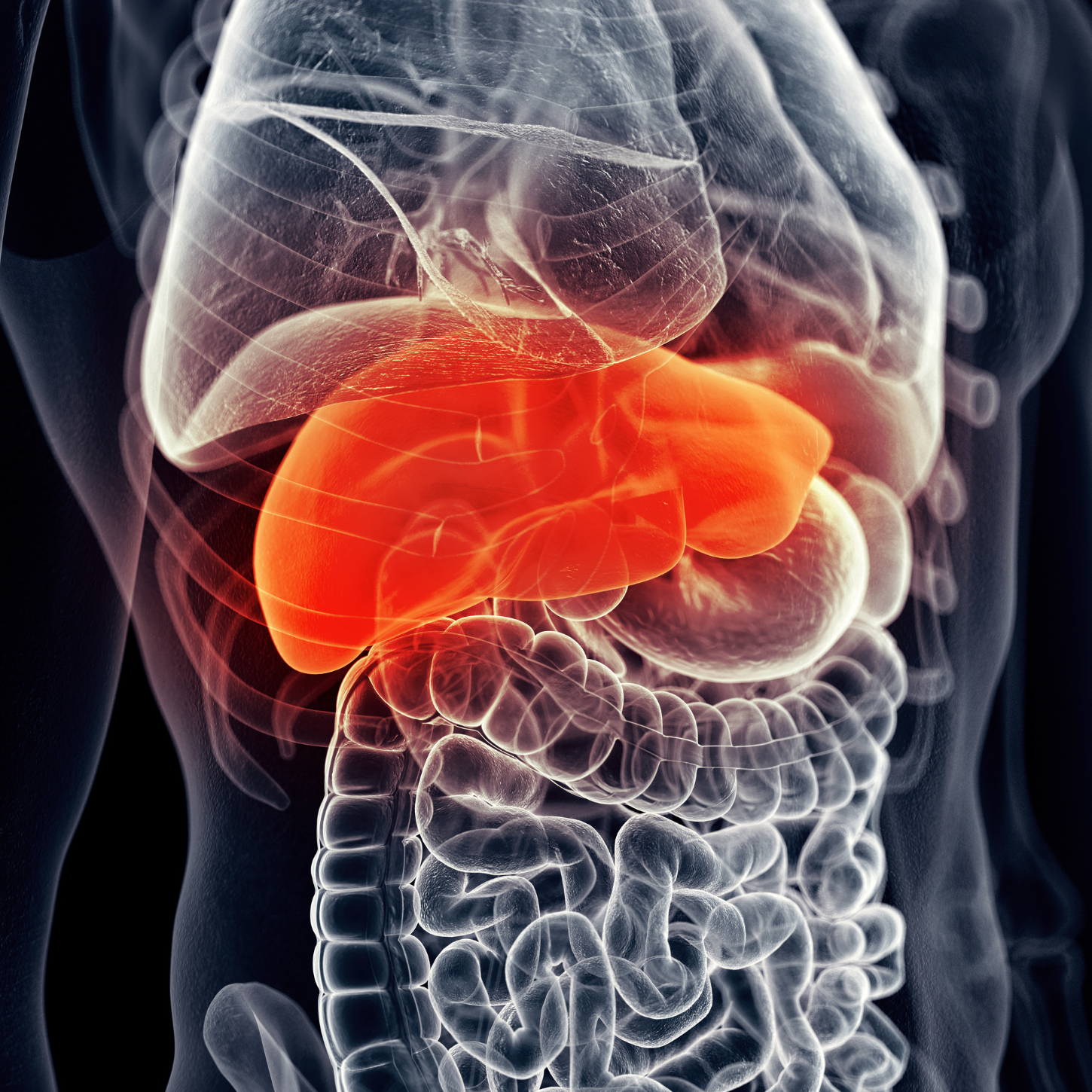
Your gallbladder is a small pear-shaped pouch tucked just under your liver. Its job is deceptively simple: store and concentrate bile.
Your liver produces bile constantly, around 27 to 34 fluid ounces (800 to 1000 ml) a day, whether you're eating or not. Between meals, that bile backs up into the gallbladder, which removes water and electrolytes and concentrates it down to five to ten times its original strength. By the time you sit down to a meal with some fat in it, you've got a small but mighty reserve of this concentrated bile.
The moment fat hits your small intestine, a hormone called cholecystokinin is released, and it's the trigger that tells your gallbladder to contract and release that bile in a concentrated burst.
That concentrated bile floods in and emulsifies fat, cholesterol and fat-soluble vitamins into smaller molecules, small enough for the enzyme lipase to actually break down. Without that emulsifying step, fat digestion simply doesn't happen properly.
But bile does more than digest fat. It also:
- Helps clear excess hormones like estrogen from your body
- Supports a healthy gut microbiome. Bile has antimicrobial and signalling effects on gut bacteria, so when bile flow is low or disrupted, it can throw off the entire gut ecosystem
- Enables absorption of vitamins A, D, E and K
Which means a gallbladder that isn't pulling its weight can quietly show up as fatigue, vitamin deficiencies, or a gut that's just a bit off. And it's often a sign your liver isn't functioning as well as it should.
Is Your Gallbladder Trying to Tell You Something?
Gallbladder trouble doesn't always announce itself loudly. Symptoms can range from a mild, easy-to-dismiss twinge to something genuinely severe, and they don't always show up the same way twice. Watch for:
- Pain in the upper right abdomen, sometimes radiating to your right shoulder or back
- Pain that flares after a fatty or greasy meal
- Nausea, heartburn, indigestion
- Bloating, excess gas
- A feeling of fullness or pressure that won't shift
- Pain that worsens when you breathe in deeply
It's also worth knowing that if you have existing gallbladder issues, known food sensitivities (wheat, dairy, etc.) won't cause gallstones, but they can trigger attacks. Eggs, onions, and pork are particularly common irritants for many people with gallbladder problems, so if you're experiencing symptoms, try eliminating these and note any changes.
Some symptoms should be treated as more urgent: fever with chills, vomiting, jaundice (yellowing skin or eyes), or stools that turn pale and clay-coloured. If any of those show up, see a doctor promptly.
Why So Many Gallbladders Are Coming Out
There are five main ways a gallbladder causes trouble: gallstones, biliary colic (where a stone temporarily lodges in the gallbladder's opening and triggers painful spasms lasting anywhere from one to five hours as the body tries to dislodge it), cholecystitis (inflammation of the gallbladder wall, often following repeat colic), a gallbladder that just won't empty properly, and, for those who've already had theirs removed, ongoing diarrhea afterward.
Gallstones are by far the most common culprit. In the US alone, an estimated 20 million people are living with gallstones, with gallbladder disease affecting approximately 1 in 6 women and 1 in 13 men. This gap is largely explained by estrogen's effect on cholesterol levels in bile. It's part of why pregnancy, the contraceptive pill and some forms of hormone replacement therapy all raise the risk.
Gallstones are not all the same: roughly 75% are cholesterol stones (formed when bile carries too much cholesterol relative to the bile salts and phospholipids that would normally keep it dissolved), and most of the rest are pigment stones made of calcium bilirubinate.

Then there's a second, less talked-about category driving a growing share of gallbladder removals: biliary dyskinesia, where the gallbladder fails to empty properly even when there are no stones at all. This now accounts for 10 to 20% of adult gallbladder removals and up to half of removals in children, a category that barely existed a generation ago. Interestingly, this rise appears to be a largely American phenomenon rather than a global one, which raises a fair question: is this a genuine rise in disease, or a rise in how quickly we reach for surgery?
As for what actually tips someone toward stones in the first place? A few repeat offenders:
- Diets heavy in refined carbs, added sugar, and saturated fat
- Diet low in fiber
- Rapid weight loss (crash dieting causes the liver to dump cholesterol into bile faster than the gallbladder can cope with)
- Obesity, insulin resistance and diabetes
- Environmental toxins
- Certain drugs
- Alcohol
- Viral hepatitis
- Biliary tract infection, especially E. coli
Really anything that stresses the liver.
Life After the Gallbladder Is Gone
For most people, life after gallbladder removal looks close to normal. The liver keeps making bile regardless, it just drips continuously and in a more dilute form straight into the small intestine, rather than arriving in a concentrated burst on demand. Most people adapt within three to six months, and dietary restrictions tend to ease over that same window.
It's not always a clean fix, though. An estimated 10 to 15% of patients develop postcholecystectomy syndrome — ongoing bloating, gas, nausea, or stomach pain that can persist for months or years. The most common long-term complaint is bile acid diarrhea: without the gallbladder's storage-and-release function, bile drips into the intestine continuously, speeding up gut transit and irritating its lining, often worse after fattier meals. For people who struggle with this long-term, bile acid sequestrants like cholestyramine can help bind the excess bile. This is worth raising with your doctor if it's an ongoing issue.

Longer-term studies put persistent abdominal pain somewhere between a fifth and a third of patients years out, though most say they're still glad they had the surgery. There's also emerging research on a possible link to colorectal cancer, particularly on the right side of the colon, tied to how bile acid rhythm and gut bacteria shift post-surgery.
None of this means removal is the wrong call when it's genuinely needed. It just means it's worth knowing what you're trading, not only what you're fixing.
Can You Actually Prevent Gallstones?
Given how strongly diet and metabolic health predict gallstone risk, there's real, underused potential for prevention here:
- Fiber: aiming for 30 grams a day or more from whole grains, vegetables, fruit and legumes helps clear excess cholesterol before it has the chance to concentrate in bile
- Coffee: regular drinkers show up with lower gallstone risk across large studies, likely because caffeine keeps bile moving. It's worth flagging a nuance here, though: if you already have gallstones, caffeine's stimulating effect on gallbladder contraction can potentially trigger an attack, so "coffee helps prevent stones" and "caffeine can aggravate existing stones" aren't actually contradictory, they just apply at different stages
- Vitamin C: linked to a similar protective effect, likely thanks to its role in reducing oxidative stress
- Avoiding heavily processed foods, preserved meats, alcohol and any other foods that are putting additional stress on the liver
- Steady weight loss: over crash dieting, given how strongly rapid weight loss is tied to stone formation
- Movement: 2 to 3 hours a week is linked to roughly 20% lower odds of ever needing surgery. Regular aerobic exercise also has a beneficial effect on hyperinsulinemia, which is often associated with gallbladder disease. Dietary changes that lower plasma insulin levels, such as swapping refined carbohydrates for unrefined ones, may also be helpful
- Essential fatty acids: foods like avocado, olive oil, flaxseeds, hempseeds and walnuts support bile flow
- Brassica vegetables: broccoli, cabbage, cauliflower, Brussels sprouts, and kale support your liver's detox enzymes and may support your gallbladder health
- Beets and artichokes: both help nourish and strengthen the liver, the primary organ responsible for processing cholesterol. Artichoke in particular is a bitter food that stimulates bile production and release. Other bitters worth incorporating include arugula and dandelion greens
- Adequate complete protein: supplies the amino acids your liver needs for detoxification
- Sulphur-rich foods: like garlic and onion support the body's sulphation detox pathway
- Smaller, more frequent meals ease the overall digestive load
- Hydration: aim for 8 to 10 glasses of water a day to keep your system properly hydrated and bile flowing

What About a Plant-Forward Diet?
There's compelling evidence here. A prospective study published in Nutrients followed almost 5,000 participants and found that vegetarian diets were associated with a reduced risk of gallstone disease in women. Women who consumed a non-vegetarian diet had an increased risk compared with women who ate a vegetarian diet. Also, women with high cholesterol on a non-vegetarian diet had almost four times the risk of gallstones compared to vegetarian women with normal cholesterol levels.
Vegetarian diets tend to be higher in fiber (which binds and clears excess cholesterol), lower in the saturated fats that stress bile composition, and protective against other key risk factors like insulin resistance and obesity.
You don't have to go fully vegetarian to benefit. Simply shifting toward more plant-forward meals, more legumes, more vegetables, more whole grains, and less processed and red meat, moves the needle in the right direction.
Herbal and Supplement Support
For anyone wanting to go a layer deeper, a handful of traditional herbs and supplements have a long history of supporting bile flow and liver function. These aren't replacements for medical care, but they can be valuable tools as part of a broader protocol, ideally guided by a qualified practitioner.
- Dandelion: a traditional liver and bile herb that stimulates bile production and gallbladder contraction. Some evidence suggests it may help prevent or slowly dissolve small stones over time. The leaves work well in salads or as a tea, and roasted dandelion root makes a surprisingly good coffee substitute
- Milk thistle: one of the most well-known liver supporters, it promotes healthy bile flow and helps protect liver cells. If you have diabetes, check with your doctor first as it can interact with blood sugar management
- Turmeric: Turmeric's curcumin stimulates gallbladder contraction and bile secretion, which is why it's contraindicated for people with existing gallstones or bile duct obstruction (forced contraction can push a stone into the duct). For people without stones, it may support liver enzyme function, pair with black pepper and a fat source for absorption.
- Globe artichoke: its bitter compounds (caffeoylquinic acids) stimulate bile flow and fat breakdown
- Oregon grape: berberine, one of the active compounds in Oregon Grape, stimulates liver and gallbladder secretory activity
- Burdock root: has hepatoprotective effects and a long history of traditional use as a liver and digestive tonic
- Rosemary: supports bile flow and may ease spasm in the bile duct. Especially useful cooked into fattier dishes
- Ox bile: a supplement often recommended for people with low bile output or those who've had their gallbladder removed. It replaces what the body isn't producing or storing anymore and helps with fat and fat-soluble vitamin absorption

Living Well Without a Gallbladder
If yours is already gone, there's plenty you can still do. Many of these tips specifically help manage bile acid diarrhea, the most common long-term complaint after removal:
- Favour easy-to-digest fats (hemp, flaxseed, avocado oil) over fried food, pastries and fatty deli meats. Introduce fats gradually rather than in large amounts at once
- Keep fiber intake high from fruit, vegetables, whole grains, and legumes
- Incorporate beets and artichokes liberally to support your liver, which is now doing the full job without a storage partner
- Cut back alcohol and refined sugar, so you're not overloading your liver's detox pathways
- Stay well hydrated. Aim for 8 to 10 glasses of water a day
- Add a splash of lemon juice or apple cider vinegar to meals as they may help emulsify fat in the absence of concentrated bile. Lemon juice can speed up bile release, and acidic foods slow stomach emptying, both of which may support fat digestion. It's not proven specifically for post-gallbladder patients, but it's a low-risk trick worth trying.
- Eat smaller, more frequent meals rather than three large ones to ease the digestive load
- Ox bile supplements can help make up for the concentrated bile the body can no longer store and release on its own. If you're still struggling with fat digestion or fat-soluble vitamin absorption months after surgery, this is worth discussing with your practitioner
- Be mindful of food sensitivities. Without a gallbladder, your digestive system has less margin for error. Foods you're sensitive to may cause more noticeable reactions than before
The Takeaway
Your gallbladder is easy to overlook until it isn't working, but it's far from a redundant afterthought. It's a precision tool built for handling dietary fat, tightly linked to your liver, your hormone clearance, and even your gut microbiome. Losing it doesn't end your body's relationship with bile; it just changes it, and for a meaningful number of people, that change comes with real, ongoing trade-offs.
Given how closely gallstone risk tracks with everyday diet and metabolic health, there's a real opportunity here that most people never hear about until they end up on the operating table. If you know you carry risk factors, whether that's a family history, recent rapid weight loss, hormonal changes, or insulin resistance, it's worth giving your gallbladder some proactive attention now, rather than waiting for an attack to force the issue.


What Do You Think? Comment Below: