


You know something's off with your gut. Maybe it's bloating after every meal, fatigue that sleep doesn't fix, brain fog that makes a paragraph feel like wading through mud, or joint pain that came out of nowhere. You've been researching, but the sheer volume of conflicting information out there is simply overwhelming.
The frustrating part? The doctor says everything looks "normal."
What most people don’t realise is that these seemingly disconnected symptoms are often connected to one central issue: increased intestinal permeability, commonly called "leaky gut."
The gut lining is a single-cell-thick barrier that decides what gets into the bloodstream and what stays out. When the tight junctions in that lining become weakened, partially digested food particles, toxins, and bacteria can leak into the bloodstream. The immune system reacts defensively, and over time, this constant immune activation contributes to inflammation and immune dysfunction.
That inflammation doesn't stay in the gut. Common symptoms include bloating, gas, food sensitivities, chronic fatigue, joint pain, skin conditions like eczema, headaches, and autoimmune flare-ups. Chronic gut-derived inflammation can even weaken the blood-brain barrier, allowing inflammatory signals to reach the brain and contributing to brain fog, memory difficulties, anxiety, and mood changes.
The good news? The gut lining wants to heal. It just needs the right conditions. And the process doesn't have to be complicated. This guide will walk you through where to start, what to do in what order, and the science behind why it works.
Table Of Contents:
Step 1: Remove what's irritating your gut
The first and most important step is to stop the cycle of irritation. If your gut lining is under constant assault from foods your body is reacting to, no amount of supplements will get you ahead.
This means identifying and removing the foods that are triggering immune reactions and inflammation. The most common culprits are gluten, dairy, eggs, processed foods, refined sugar, and alcohol.
One study showed that an elimination diet was effective in relieving IBS symptoms, with patients feeling significantly better in just 12 weeks. Those patients who decreased the restrictiveness of the diet saw a 24% worsening of symptoms.
The simplest way to identify personal triggers is a food diary. For the next 2–3 weeks, write down everything you eat alongside any symptoms you experience — bloating, energy levels, mood, pain, skin changes. This is free, simple, and one of the most powerful diagnostic tools you have. It helps you spot patterns between what you eat and how you feel.
Once triggers are identified, remove them for six weeks. This isn't about permanent restriction. It's about allowing your immune system to calm down and giving your gut lining a window to begin repairing itself.
Favour cooked vegetables over raw while your gut is sensitive. Steaming, roasting, or making soups breaks down the fibers that may be causing pain while still delivering the nutrients you need.

Step 2: Repair the gut lining
Once you've removed the irritants, the next priority is repairing the intestinal barrier — the single-cell-thick lining that separates your gut contents from your bloodstream.
And the single most important nutrient for this job is L-glutamine.
L-glutamine is the bioavailable form of glutamine, the most abundant amino acid in the body, and the primary fuel source for the cells that line your intestines. Without enough of it, those cells can't repair themselves properly. Research shows that L-glutamine helps strengthen tight junctions, reduces inflammation in the gut wall, and protects intestinal cells from damage. It's the foundation of gut repair for a reason.
When your gut is under stress from inflammation, food intolerances, illness, or chronic stress, your body uses up glutamine faster than it can produce it. Demand outstrips supply. That's why supplementing with L-glutamine can make such a difference. It gives your gut the extra fuel it needs to repair when it's working overtime.
It's not just glutamine, though. Several other nutrients play important supporting roles in gut barrier repair:
- Zinc carnosine — a compound that combines zinc with the amino acid carnosine, shown to stabilise the gut mucosa and promote healing of damaged intestinal tissue.
- Vitamin D — plays a critical role in maintaining tight junction integrity and regulating the immune response in the gut. Deficiency in vitamin D has been directly linked to increased intestinal permeability.
- Vitamin A — essential for maintaining the mucus layer that protects the gut lining and for supporting the immune cells that reside in the gut wall.
Soothing botanicals like slippery elm, marshmallow root, and aloe vera can further protect and calm the gut lining during this repair phase, helping to reduce irritation while the deeper healing takes place.
Step 3: Feed your good bacteria
Once the gut lining is on its way to healing, it's time to start nourishing the beneficial bacteria that live there. This is where prebiotic fiber comes in.
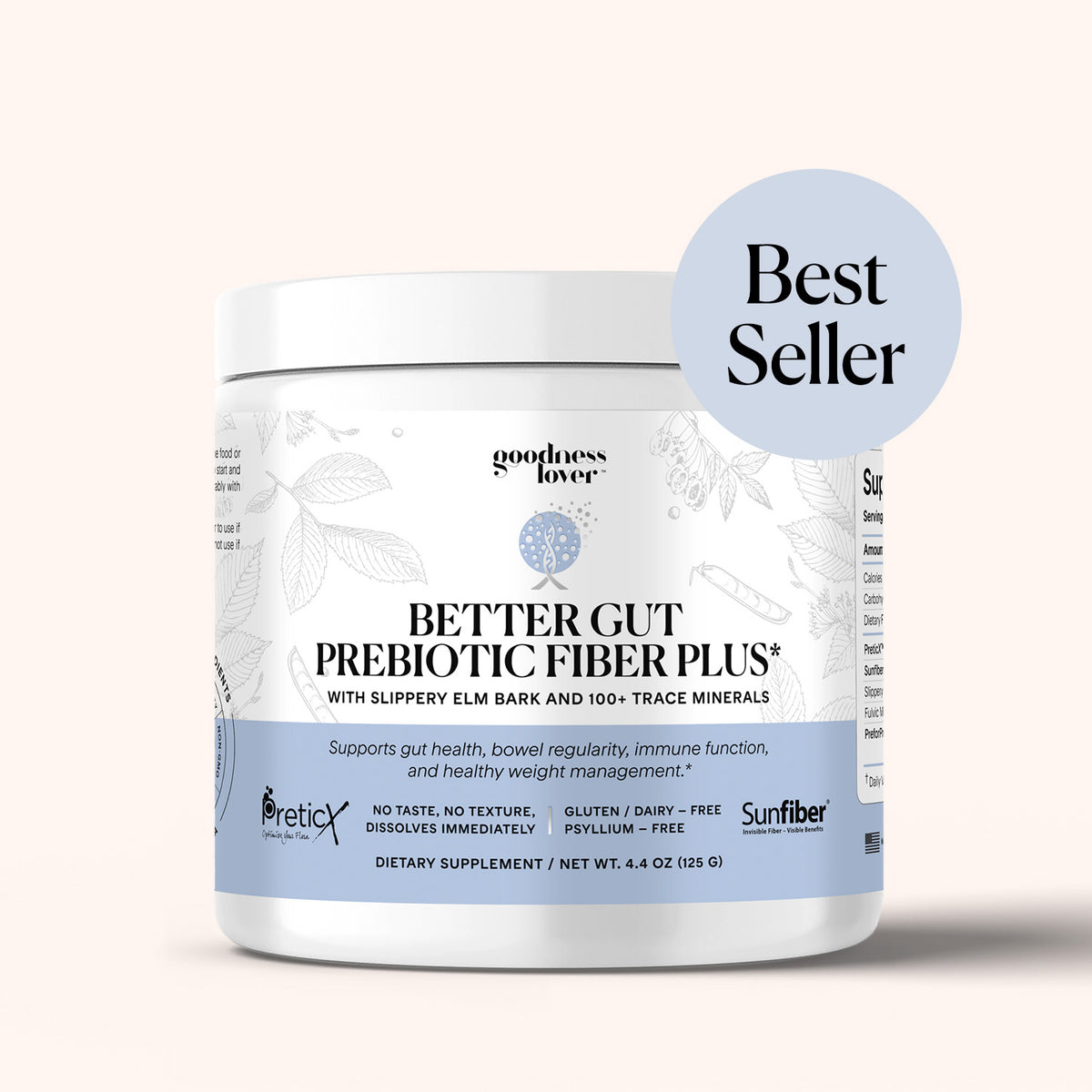
Prebiotics are the food your good bacteria need to thrive. When it comes to prebiotic fiber, start low and go slow. A gentle, well-tolerated prebiotic like PHGG (partially hydrolysed guar gum) is a good starting point, especially for sensitive guts. Start with a small dose and increase gradually over 1–2 weeks to avoid gas and bloating.
But fiber isn't the only prebiotic. Polyphenols — the colourful compounds in berries, green tea, dark chocolate, and olive oil — also feed beneficial bacteria. Polyphenols increase Bifidobacterium and Lactobacillus, which provide anti-pathogenic and anti-inflammatory effects and cardiovascular protection.
Diversity on the plate equals diversity in the microbiome. A study of over 20,000 people found that those who ate more plant-based foods had more bacteria linked to better heart and cardiometabolic health, and a plant-based diet generally supports a more diverse gut microbiome linked with better overall health.
The principle is simple: the more diverse your plate, the more diverse your microbiome. The goal is 30+ different plant foods per week. That includes fruits, vegetables, legumes, whole grains, nuts, seeds, herbs, and spices.
Step 4: Repopulate and maintain
With the gut lining healing and your beneficial bacteria being fed, the final step is repopulating your microbiome with diverse, beneficial organisms.
Fermented foods are the best long-term strategy. One clinical trial found that when 36 healthy adults were randomly assigned to a 10-week diet rich in either fermented foods or high-fiber foods, those in the fermented foods group saw an increase in overall microbial diversity, with stronger effects from larger servings. Remarkably, all participants in the fermented food group showed reduced levels of 19 inflammatory proteins, including interleukin 6, which is associated with type 2 diabetes and rheumatoid arthritis.
Sauerkraut, kimchi, kefir, miso, and kombucha all provide a diverse range of live microorganisms. Start small and build up gradually. The goal is to make fermented foods a daily habit, not a one-off.

A probiotic supplement can be a helpful addition, especially during the early stages of gut healing. But not all probiotics do the same thing, so choosing strains with actual research behind them matters.
Three of the most well-studied for gut healing:
- Lactobacillus rhamnosus (LGG®) — one of the most researched probiotic strains in the world. Studies show it strengthens the gut barrier, reduces intestinal permeability, and enhances protective mucus production.
- Lactobacillus paracasei (LP-33®) — research suggests it helps calm immune over-reactivity, which is particularly relevant when a compromised barrier is triggering ongoing inflammation and food sensitivities.
- Lactobacillus plantarum 299v — clinical trials have shown it reduces bloating, abdominal pain, and helps normalise bowel movements in IBS patients, while also supporting gut barrier function.
Long-term, the goal is to build a self-sustaining ecosystem through diet rather than relying on supplements indefinitely.
Step 5: Support the whole picture
Gut healing doesn't happen in a vacuum. You could be eating perfectly and taking all the right supplements, but if your sleep, stress, and movement are working against you, your gut will struggle to repair.
Sleep is when your body does its deepest repair work, and your gut is no exception. Poor rest disrupts the circadian rhythms that regulate digestive function, immune activity, and even the composition of your gut bacteria. Research has shown that sleep deprivation alone can increase intestinal permeability, even in otherwise healthy people. Aim for 7-9 hours of consistent, quality sleep, and try to keep your sleep and wake times regular. Your gut bacteria actually follow a circadian rhythm of their own, and they thrive on consistency.
Stress is one of the most overlooked causes of gut problems. Your brain and your gut are in constant two-way communication, which means chronic stress doesn't just affect your mood — it physically damages your gut. High cortisol weakens the tight junctions in your gut lining, slows digestion, and shifts your microbiome toward less beneficial bacteria. This is why people often experience flare-ups during stressful periods, even when their diet hasn't changed. Finding ways to actively manage stress, whether that's breathwork, meditation, time in nature, or vagus nerve stimulation, isn’t optional. It's a core part of gut healing.
Movement plays a more important role than most people realise. Even 15-20 minutes of gentle daily activity, like walking, yoga, or stretching, supports gut motility, reduces inflammation, increases blood flow to the intestinal lining, and helps regulate the stress response.

The bottom line is that diet and supplements lay the foundation, but sleep, stress management, and physical activity create the environment your gut needs to actually heal.
When to dig deeper
If you've followed these steps for 8 weeks and symptoms persist, it's time to dig deeper. A comprehensive gut health test can reveal specific imbalances such as dysbiosis, bacterial overgrowth, candida, nutrient deficiencies, or markers of intestinal permeability, that a food diary alone can't detect.
A comprehensive gut health test can reveal specific imbalances, such as dysbiosis, candida overgrowth, nutrient deficiencies, or markers of intestinal permeability, that a food diary alone can't detect.
This is the "test, don't guess" principle. Rather than continuing to trial-and-error your way through supplements and dietary changes, testing gives you a clear picture of what's actually happening in your gut so you can target your approach with precision.
The bottom line
Gut healing isn't about doing everything at once. It's about doing the right things in the right order:
- Remove the foods irritating your gut
- Repair the gut lining with L-glutamine and supportive nutrients
- Feed your good bacteria with prebiotic fiber and polyphenol-rich foods
- Repopulate with fermented foods and targeted probiotics
- Support the whole picture with quality sleep, stress management, and gentle daily movement
- Test if symptoms persist after 8 weeks
The body wants to heal. It wants to return to balance. It just needs the right tools and conditions to do so. And for most people, that journey starts in the gut.
Ready to Start Repairing Your Gut Lining?
If this guide has you thinking about gut barrier repair, L-glutamine is the single most impactful place to start. While your body does produce glutamine on its own, research shows that during periods of stress, inflammation, or illness, your gut burns through it faster than you can make it. That's exactly when you need it most.
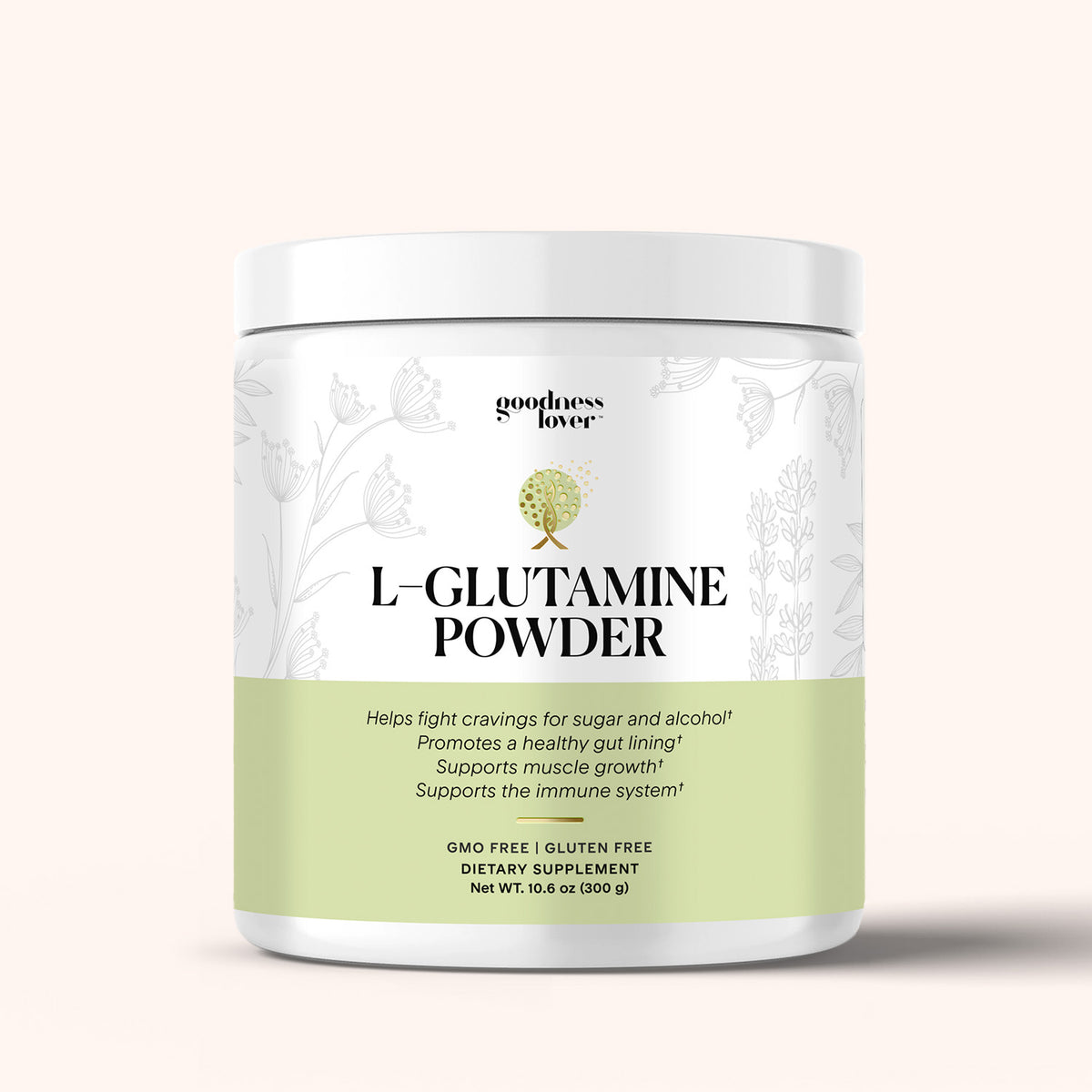
That's why we created our L-Glutamine powder. Each serve delivers a therapeutic dose of L-glutamine — the amino acid your gut lining depends on as its primary fuel source. The same nutrient the research in this guide points to for strengthening tight junctions, calming gut wall inflammation, and supporting intestinal barrier repair. One teaspoon a day, mixed into water or a smoothie. No complicated protocol required.
👉 Try L-Glutamine powder today →




What Do You Think? Comment Below: