


Maybe you got a lab result back recently with a number circled that you didn't like the look of. Maybe you've watched a parent or sibling manage kidney disease and have started wondering what that means for you. Either way, you've likely already heard the standard advice: watch your sodium, watch your protein, stay hydrated. What you may not have heard is where a lot of that burden on your kidneys actually starts: in your gut.
Take red meat. Eat it daily for a few weeks, and a compound called TMAO (trimethylamine N-oxide) can more than double in your bloodstream. Researchers watched it happen in a controlled feeding study. Stop, and within about a month, it's back down. That swing traces back to your gut bacteria: they convert compounds from red meat into TMAO, release it into your blood, and leave your kidneys to filter it back out.
TMAO is just one piece of a much larger, constant back-and-forth between your gut and your kidneys. The trillions of microbes living in your digestive tract break down what you eat and produce compounds that end up in your bloodstream, some genuinely protective, some your kidneys have to work harder to clear. What's on your plate shapes which kind you get more of.
That relationship has a name: the gut-kidney axis. It doesn't get the attention gut health or heart health usually do, but it may be one of the more overlooked players in how well your kidneys hold up over time. And it starts with something as ordinary as what you had for lunch.
Table Of Contents:
What is the Gut-Kidney Axis?
So what is this axis exactly? Picture a two-way line between your gut and your kidneys that's always open. On one end, the trillions of bacteria in your digestive tract are breaking down food, building compounds, and releasing them into your bloodstream around the clock. On the other end, your kidneys are the ones fielding all of that, filtering out what your body doesn't need and letting the rest circulate.
Part of what's at stake is the gut lining itself. Your intestinal wall is held together by proteins that act like seals between cells, keeping most of what's in your gut where it belongs. In CKD, those seals measurably loosen, a real, clinically documented version of what gets casually thrown around as "leaky gut." Bacterial fragments that would normally stay contained can slip through into the bloodstream, and the immune system responds the way it would to an infection: with inflammation. That inflammation doesn't stay local. It circulates, and it adds to the load your kidneys are already carrying.

When your gut community is diverse and balanced, it tends to send along more of the useful stuff: compounds that calm inflammation and help keep that lining intact. When it's out of balance (from a diet heavy in processed foods and red meat, a round of antibiotics, or ongoing stress), it tends to send along more of the harmful stuff, the uremic toxins your kidneys have to work overtime to clear.
And it runs both directions. As kidney function changes, it changes the environment inside your gut too, loosening those same seals further and throwing the bacterial balance off even more. That back-and-forth is why researchers increasingly describe gut and kidney health as one connected loop rather than two separate systems.
The Toxic Side
Those uremic toxins have names, and knowing a few of them helps make sense of what's actually happening in your body. The big ones are indoxyl sulfate, p-cresyl sulfate, and TMAO (the same compound from the red meat example earlier). All three are byproducts of your gut bacteria fermenting protein, both from the food you eat directly and from the amino acids in the protein you eat.
Indoxyl sulfate and p-cresyl sulfate bind tightly to albumin, a protein in your blood. That binding is exactly what makes them so hard to remove, even with dialysis, which is built to filter out smaller, unbound molecules. So once these toxins build up, they tend to stay built up.
And they don't just sit there passively. Indoxyl sulfate in particular triggers inflammation and oxidative stress directly in blood vessel walls, contributing to vascular calcification: essentially, hardening of the arteries. TMAO works a similar angle, promoting plaque buildup and interfering with how well blood vessels relax and contract. Research has tied elevated TMAO to a higher risk of both faster kidney decline and death, independent of the usual risk factors like blood pressure or cholesterol.
None of this is meant to be alarming for its own sake. It's meant to explain why your gut, not just your salt shaker, has become such a focus in kidney research. The toxins your gut produces do double duty: they burden your kidneys directly, and they damage the blood vessels your kidneys depend on, often without any symptoms you'd notice until later. It's also a big part of why kidney disease and cardiovascular disease tend to show up together.
The Vicious Cycle
If digestion has felt different since a kidney diagnosis, more bloating, more irregularity, this is part of why. As kidney function declines, urea (a waste product your kidneys would normally clear) builds up in your blood and starts diffusing into your gut instead. Bacteria there break that urea down using an enzyme called urease, converting it into ammonia. Ammonia raises the pH inside your gut, which irritates the intestinal lining and loosens those same protective seals from earlier. So, the more kidney function declines, the more the gut environment shifts, and the more it shifts, the more it feeds back into inflammation and toxin production.
CKD often comes with other gut-disrupting factors too: lower fiber intake (sometimes a side effect of potassium restrictions), slower digestion, antibiotics, and phosphate binders, all of which can throw the bacterial balance off further. None of this is anyone's fault or something you did wrong. It's simply how a genuinely two-way system behaves once one side starts to strain.
The Protective Side
There's a flip side to all this, and it's the more hopeful one. It comes down to what your gut bacteria have to work with. Some species specialize in breaking down fiber, and when they do, they produce short-chain fatty acids: compounds like butyrate that calm inflammation, help maintain your gut lining, and in animal studies, appear to protect your kidneys directly.

A different group of bacteria specializes in breaking down protein instead, and those are the ones producing the uremic toxins covered above. When you're not eating much fiber, that second group has less competition and tends to take over. So a low-fiber, high-protein pattern doesn't just miss out on the benefit, it tips the scale toward the harmful side.
There's a catch, too: the fiber-loving, protective bacteria tend to decline as kidney function drops, so the helpful side of this system can weaken right when you need it most.
Diet still matters here. A 2021 study found that people who ate more fiber were less likely to have chronic kidney disease. And eating patterns built around more plants and less animal protein, similar to Mediterranean or DASH style diets, have been linked to a healthier gut bacteria balance and fewer of the compounds that turn into toxins.
So the real takeaway isn't that any single compound will fix anything, it's that fiber and plant diversity are genuinely one of the more evidence-backed levers you have.
Can Probiotics Help?
Beyond changing what you eat, there's also the question of whether adding a probiotic or prebiotic supplement can speed things along. Early research says maybe.
One small trial gave adults with moderate kidney disease a combination of specific probiotic strains plus a prebiotic fiber for 12 weeks. Compared to a placebo group, they saw indoxyl sulfate drop by about 21% (versus 5% in the placebo group), a marker of inflammation drop by nearly 40% (versus 8%), and a modest improvement in kidney filtering ability. Encouraging results, especially with almost no side effects reported beyond mild bloating in a couple of participants.
This is a genuinely promising area of research, but not a settled one. If you're managing kidney disease, any supplement decision, probiotic or otherwise, is worth running by your nephrologist or renal dietitian first, especially since some probiotic products aren't formulated with CKD-specific needs, like potassium or phosphorus content, in mind.

Practical Takeaways
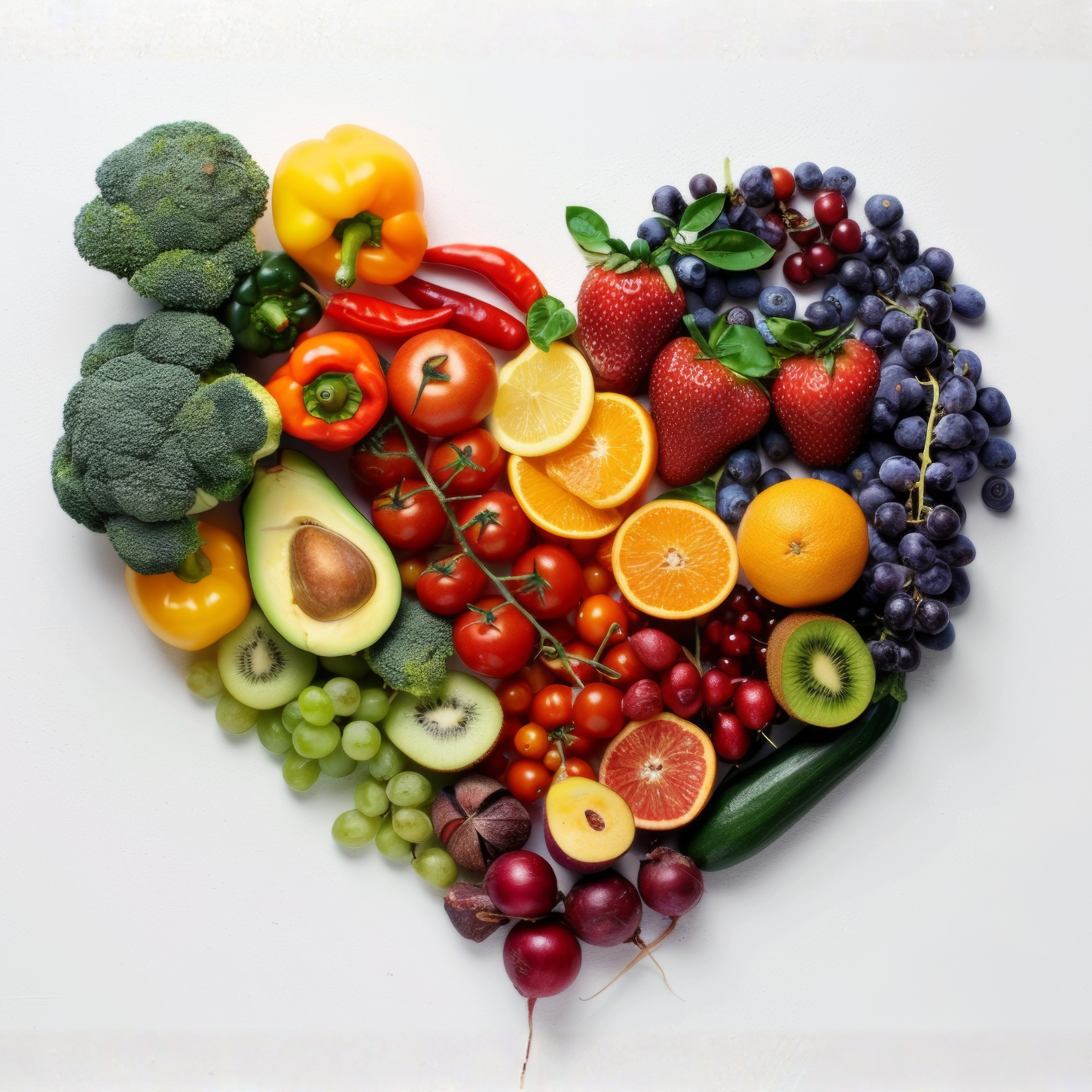
So what does this actually mean for what's on your plate? A few things worth prioritizing: leaning on plant proteins like beans, lentils, tofu, and nuts and avoiding red meat, working in a variety of fiber sources rather than just one, and treating fermented foods like plant yogurt, kimchi, or sauerkraut as a regular habit rather than an occasional add-on. Small, consistent shifts toward more plants and more fiber diversity do more for this system than any single supplement or "superfood" will.
A quick note if you have diagnosed kidney disease: potassium and phosphorus limits can complicate an otherwise healthy plant-forward plate, so it's worth running these changes by your nephrologist or renal dietitian first.
Where this Leaves You
Your kidneys don't get much attention until something's wrong, but they've been in constant conversation with an organ you probably think about even less: your gut. That conversation runs in both directions, and it means you have more influence over it than the standard sodium-and-protein talk usually lets on.
Remember that lab result, or that quiet worry every time a parent or sibling's kidney disease crosses your mind? None of this rewrites that story. It won't undo a diagnosis or replace your care team. But it does mean the ordinary stuff, what's on your plate at lunch, how much fiber made it into your week, whether last night's dinner leaned more plant or more red meat, is doing more work than it usually gets credit for. That's not pressure to be perfect. It's just one more place where paying attention actually pays off, in a conversation between your gut and your kidneys that's already happening today, whether you noticed it or not.






What Do You Think? Comment Below: