


Here is a question worth sitting with.
What if the fatigue you've been managing for years — the kind that sleep doesn't fix — isn't actually coming from your thyroid? What if the brain fog, the stubborn weight, the hair thinning, the feeling of being cold when everyone around you is fine — what if none of that is primarily a thyroid problem?
What if it's a gut problem showing up in your thyroid?
That might sound like a stretch. But researchers have now identified what they call the gut-thyroid axis — a bidirectional communication pathway between your gut microbiome and your thyroid gland.
And what they're finding may finally provide answers for the millions of people who feel terrible despite being told their blood work looks fine.
Table Of Contents:
The Two Thyroid Hormones You Need to Know About: T4 and T3
Your thyroid produces a hormone called T4. T4 is essentially a storage hormone, a raw material the body needs to convert into something it can actually use. That usable form is called T3, and T3 is the active thyroid hormone that drives your metabolism, your energy, your mood, your body temperature, your hair growth, and hundreds of other processes throughout your body.
Think of T4 as a raw ingredient. It needs to be processed before your body can use it. That processing is performed by a family of enzymes called deiodinases, and it happens in tissues throughout the body — the liver, the kidneys, the muscles, and critically, the gut.
Here is the number that matters: approximately 80% of the T3 your body uses is not made by the thyroid at all. It comes from this conversion process happening in peripheral tissues. The thyroid produces the raw material. The rest of the body does the manufacturing.
This is why T4 to T3 conversion is one of the most important processes in thyroid health — and one of the most overlooked. If conversion is compromised, it doesn't matter how well the thyroid is functioning. Active hormone at the cellular level will be inadequate.
And one of the biggest drivers of compromised conversion? The gut microbiome.
What Your Gut Has to Do With It
The gut is not just a digestive organ. It is also an important site where T4 gets converted into usable T3.
The intestinal wall contains its own deiodinase enzymes, and the bacteria living in the gut directly influence how well those enzymes work. When the gut microbiome is healthy and diverse, this conversion process runs efficiently. When it's disrupted — when beneficial bacteria decline and harmful ones take over, a state researchers call dysbiosis — conversion slows.
There's also a second mechanism worth understanding. Gut bacteria help recycle thyroid hormones. Hormone metabolites that would otherwise be lost are broken down by gut bacteria and reabsorbed back into circulation. When dysbiosis disrupts that recycling system, more thyroid hormone is lost — excreted rather than recovered.
And last but not least, there's the leaky gut connection. When the intestinal barrier breaks down and bacterial fragments called LPS slip into the bloodstream triggering a systemic inflammatory cascade, those fragments directly interfere with the deiodinase enzymes responsible for conversion.

Why Your TSH Might Not Be Telling You the Whole Story
The standard thyroid blood test measures TSH (thyroid stimulating hormone) and sometimes T4. If both come back within the normal range, most people are told their thyroid is fine.
But TSH measures what the pituitary gland is signalling to the thyroid. It's an upstream measure. Useful, but indirect. It doesn't tell you how much active T3 is actually reaching your cells. And research has shown that in the presence of chronic inflammation, gut dysbiosis, and leaky gut, tissue T3 levels can fall dramatically while serum markers remain entirely normal.
In the presence of chronic inflammation and gut dysbiosis, research shows tissue T3 can fall by as much as 70 to 80% — while TSH and serum T3 remain within normal range. This is because the pituitary converts T4 to T3 far more efficiently than peripheral tissues do, meaning it can maintain normal TSH output even when the rest of the body is T3 deficient.
If you've been told your thyroid results are normal but still experience fatigue, brain fog, weight gain, hair loss, cold intolerance, and low mood, this may explain why.
The Microbial Fingerprint of Thyroid Dysfunction
When scientists analyse the gut microbiomes of people with Hashimoto's thyroiditis and hypothyroidism and compare them to healthy controls, they find the same pattern — consistently, across multiple research groups, in different countries.
Certain beneficial bacteria are dramatically reduced. Certain harmful bacteria are dramatically increased. And the degree of that shift corresponds with the severity of the disease — including the level of thyroid antibodies in the blood.
What goes missing
The bacteria that decline most consistently in thyroid disease are the same keystone species that appear throughout gut health research as essential to a well-functioning microbiome.
Faecalibacterium prausnitzii, one of the most abundant anti-inflammatory bacteria in a healthy gut, is significantly reduced in Hashimoto's patients across multiple studies. It produces butyrate, the short-chain fatty acid that fuels the gut lining, reduces systemic inflammation, and supports immune regulation.
Bifidobacterium, which is essential for immune regulation, gut barrier integrity, and the absorption of thyroid-critical minerals including selenium and zinc, is consistently lower in people with autoimmune thyroid disease. Research shows that Bifidobacterium and Lactobacillus species actively enhance selenium bioavailability, and selenium is the mineral that deiodinase enzymes depend on to convert T4 into T3. When these bacteria decline, selenium absorption is impaired, and with it, the entire conversion process.
Prevotella and Lactobacillus follow the same downward pattern — both associated with anti-inflammatory activity and mucosal immunity, both markedly reduced in Hashimoto's patients.
What takes their place
As protective bacteria decline, a different group expands to fill the space. Studies consistently find elevated levels of Bacteroides fragilis, Klebsiella, and Escherichia-Shigella in people with autoimmune thyroid disease. These bacteria are associated with intestinal inflammation, increased gut permeability, and immune dysregulation.
The net effect is a gut environment producing less butyrate, less immune regulation, more LPS, and more systemic inflammation. In short, a gut that has stopped protecting the thyroid and started undermining it.
The antibody connection
Most striking of all is what happens when researchers look at thyroid antibody levels, the markers that show how aggressively the immune system is attacking the thyroid in Hashimoto’s thyroiditis. The worse the gut dysbiosis, the higher those antibodies tend to be.
The gut microbiome may not just be damaged by thyroid disease. It may be driving it.
The Cycle That Feeds Itself
This is where things get circular — and frustrating.
Gut dysbiosis disrupts thyroid function. But thyroid dysfunction also disrupts the gut.
When thyroid hormone levels are low, gut motility slows. The muscular contractions that move food and waste through the digestive tract become sluggish, transit time increases, and beneficial bacteria decline further — creating exactly the conditions that worsen dysbiosis and reduce butyrate production.
The thyroid problem deepens the gut problem.
For anyone caught in this loop, treating the thyroid in isolation while the gut goes unaddressed may be exactly why lasting recovery feels so out of reach — even when blood tests say everything is fine.
What You Can Do
The science here is still developing. But the evidence is consistent enough to draw a clear conclusion: what happens in your gut has a direct and measurable impact on your thyroid.
That's more than enough reason to take gut health seriously as part of any thyroid health strategy.
Feed the bacteria that protect the thyroid. Faecalibacterium prausnitzii, Bifidobacterium, and Lactobacillus thrive on prebiotic fiber — found in garlic, onion, leek, asparagus, Jerusalem artichoke, and legumes. Aim for 30 different plant foods per week.

Prioritise selenium. Two Brazil nuts a day is one of the easiest ways to support thyroid hormone conversion. Sunflower seeds, mushrooms, and whole grains also contribute.
Address zinc. A cofactor for the deiodinase enzymes responsible for T4 to T3 conversion, and frequently low in hypothyroidism. Pumpkin seeds, hemp seeds, and legumes are reliable dietary sources.
Don't overlook iodine — but get tested first. The gut microbiome directly influences how well iodine is absorbed and transported to the thyroid. But iodine is one of the few nutrients where both too little and too much can worsen thyroid function — and people with Hashimoto's can be particularly sensitive to excess. Before adding iodine-rich foods or supplements, it is worth checking your levels with a healthcare provider. If deficiency is confirmed, iodised salt and seaweed are accessible dietary sources. If your levels are already adequate, adding more may do more harm than good.
Check your iron. Iron deficiency is found in up to 60% of hypothyroid patients and directly impairs the thyroid peroxidase enzyme needed for hormone synthesis. Lentils, tofu, pumpkin seeds, and dark leafy greens are good plant-based sources — pair with vitamin C to improve absorption.
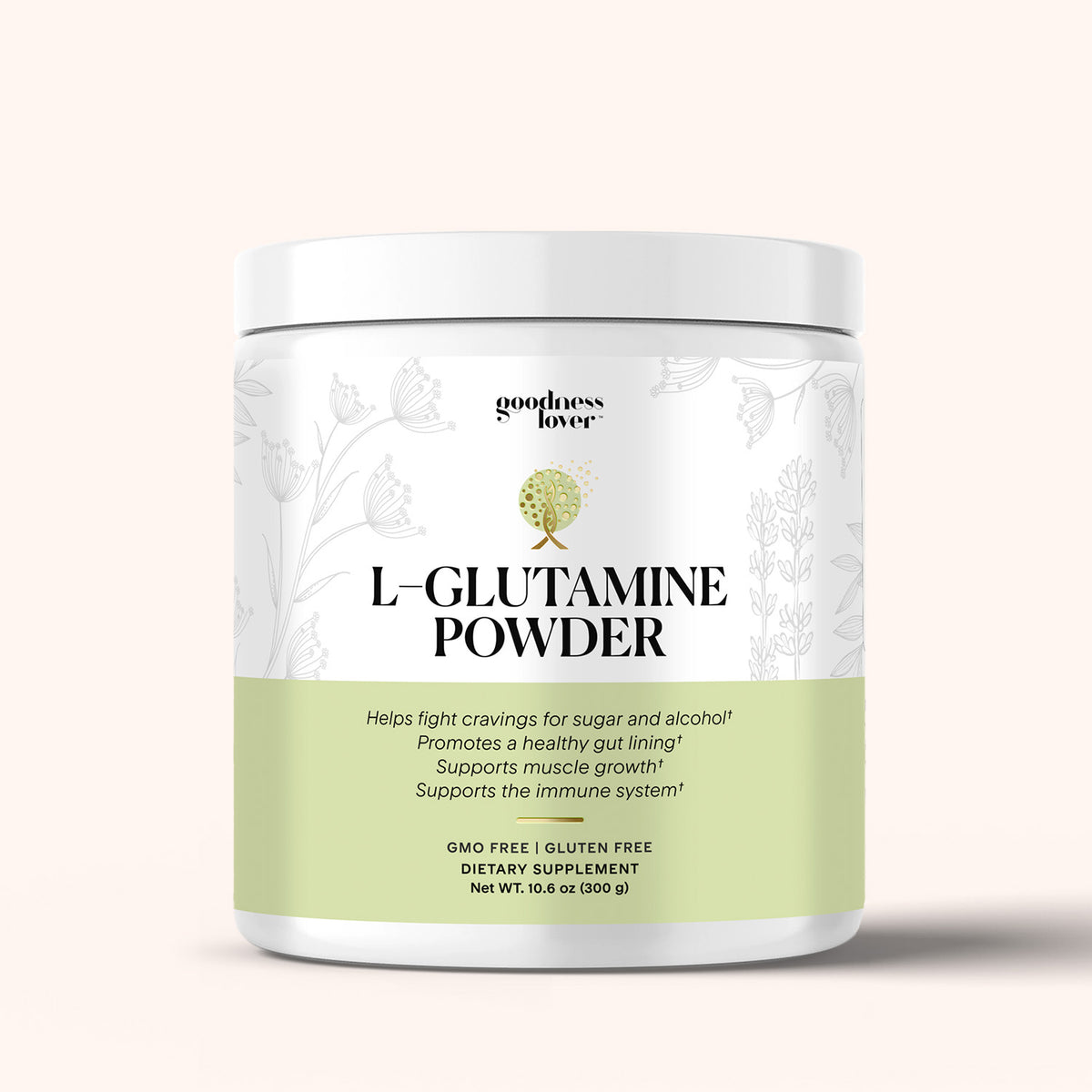
Support your gut barrier. Ultra-processed foods, refined sugar, and excess alcohol all damage the intestinal lining — removing them is the first step. From there, fermented foods, prebiotic fibre, L-glutamine, zinc carnosine, and vitamin D all actively support gut barrier repair. A stronger gut barrier means less LPS entering the bloodstream, less interference with deiodinase enzymes, and better conditions for the beneficial bacteria that thyroid health depends on.
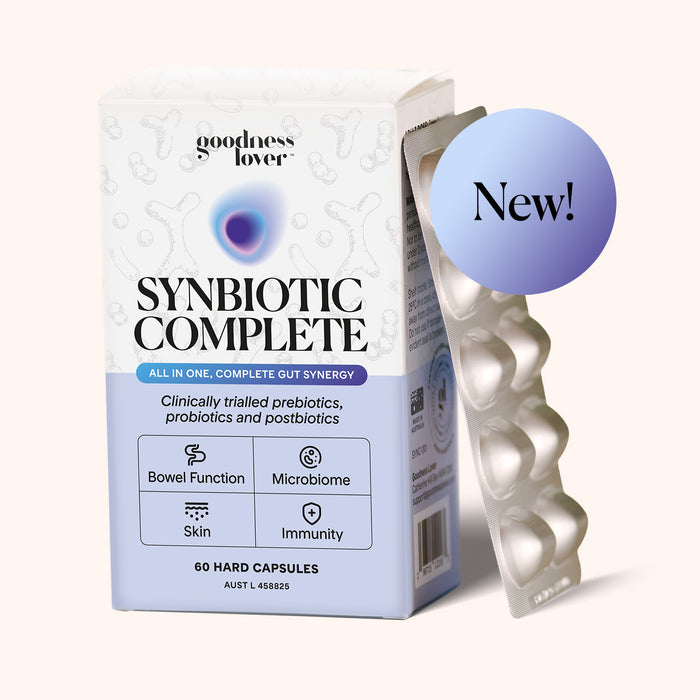
Consider a quality synbiotic. A synbiotic combines probiotic strains with the prebiotic fiber that feeds them. In one clinical trial, a Lactobacillus and Bifidobacterium combination was associated with more stable levothyroxine dosing compared to controls. A separate randomised controlled trial found that synbiotic supplementation significantly reduced TSH levels and levothyroxine dose after eight weeks.
If you have Hashimoto's, consider investigating gluten. Hashimoto's and coeliac disease co-occur at significantly higher rates than chance. For those with both conditions, a gluten-free diet can meaningfully reduce thyroid antibody levels.
If you are on thyroid medication, do not adjust it without medical supervision.
The Bottom Line
Your thyroid does not work in isolation. It needs a healthy gut to convert its hormones, absorb the minerals that make conversion possible, and keep the immune system from turning on itself.
The gut-thyroid axis is not a wellness trend. It is peer-reviewed science that is changing how researchers understand thyroid disease.
If you have spent years managing thyroid symptoms without ever fully feeling like yourself again, this research offers something genuinely hopeful: there may be a piece of the puzzle that has been missed. Not in your thyroid. In your gut.






What Do You Think? Comment Below: