


Antibiotics are medical heroes when you truly need them—they've saved hundreds of millions of lives since their discovery, transforming once-deadly infections into manageable conditions. But weeks after treatment, something often feels off. Your digestion is a mess, you're catching every bug that goes around, and that brain fog just won't lift. Welcome to the hidden aftermath of antibiotic treatment—a devastated microbiome crying out for help.
While antibiotics are undeniably life-saving when needed, they're essentially carpet-bombing your internal ecosystem, leaving behind a barren landscape where harmful bacteria and opportunistic pathogens can quickly take over. Research shows that antibiotic-induced microbiome disruption increases your risk of future infections, autoimmune conditions, metabolic dysfunction, and even mental health issues—consequences that extend far beyond temporary digestive upset.
But before you panic, let’s be clear: this isn't about demonizing antibiotics. The real problem is that we've largely ignored the collateral damage they cause, and worse, the common solution—taking probiotics afterward—may actually delay your microbiome's natural recovery process.
Here's what most people don't realize: your gut's ability to heal itself is far more sophisticated than we once believed, but only when we support it correctly. This article will guide you through an evidence-based recovery protocol that works with your body's innate wisdom rather than against it, helping you rebuild a thriving microbiome that's more resilient than before.
Table Of Contents:
Understanding the Damage - What Antibiotics Do to Your Microbiome
When your doctor prescribes antibiotics, they're deploying one of medicine's most powerful weapons against bacterial infections. But like any powerful weapon, antibiotics don't discriminate between friend and foe—they wage war on your entire bacterial ecosystem.
Your gut houses over 1,000 different bacterial species, each playing a crucial role in your health. Broad-spectrum antibiotics are particularly devastating as they kill both harmful pathogens and beneficial bacteria indiscriminately. Even a single course can cause rapid changes - studies show diversity can drop by 25-40% within days, with some beneficial species disappearing entirely or remaining suppressed for months to years.
This bacterial destruction triggers short and long-term health consequences extending far beyond your gut. In the immediate aftermath, up to 35% of antibiotic users experience diarrhea, while your depleted defences leave you vulnerable to dangerous opportunistic infections like C. difficile.
The stakes are even higher for children. Antibiotics in infancy can fundamentally reshape a developing microbiome, leading to weaker immunity, recurrent infections, and increased disease susceptibility that follows them into adulthood. A comprehensive review of nearly 5,000 studies found that while single antibiotic courses typically allow full recovery, the microbiomes of children given repeated courses can take up to 2 years to recover.
But perhaps most troubling are the long-term implications we're only beginning to understand. Your gut microbiome isn't just digesting food—it's producing neurotransmitters that influence your mood, regulating inflammation throughout your body, training your immune system to distinguish friend from foe, and orchestrating your metabolism. When this intricate system is disrupted, the consequences can persist for years: increased rates of allergies, autoimmune diseases, insulin resistance, obesity, depression, and anxiety—chronic conditions that linger long after the original infection has been forgotten and the antibiotic bottle sits empty in your medicine cabinet.
The Recovery Challenge
Now, you might assume your microbiome would naturally restore itself once antibiotics stop—like flipping a switch back to "normal." Unfortunately, recovery is far more complex and unpredictable than that.
Your microbiome doesn't simply bounce back to its pre-antibiotic state. While full recovery is possible, the timeline and success depend on multiple factors: your lifestyle habits, diet quality, how long you took antibiotics, your age, and which specific antibiotic was used.
Recovery follows ecological succession - like a forest regrowing after a wildfire. The first species to return aren't necessarily the beneficial ones you need. Fast-growing opportunistic bacteria often claim territory quickly, while slower-growing beneficial species struggle to reestablish.
This creates a critical competition between good and bad bacteria for limited resources and territory. Without proper support during this vulnerable window, harmful species often win, leading to long-term imbalances that can persist for months or even years.
 The Probiotic Paradox - Why More Bacteria Isn't Always Better
When faced with a devastated microbiome, the solution seems obvious: replace the lost bacteria with probiotics. It's intuitive, it's marketed everywhere, and it feels proactive. But this might not actually be the best idea.
Recent studies have revealed that probiotics don't just fail to restore your microbiome after antibiotics—they can actually delay its natural recovery. In one pivotal study, people who took probiotics after antibiotics had microbiomes that remained "off-kilter" even six months later, while those who took nothing recovered to baseline within just three weeks. A meta-analysis has now confirmed these findings, with some studies even showing that probiotics can worsen the situation, potentially increasing susceptibility to dangerous infections like C. difficile.
Probiotic bacteria can actively interfere with your native bacteria, trying to recolonize. Research shows that some Lactobacillus strains secrete compounds that inhibit the growth of your indigenous microbes—essentially squatting in your gut and preventing your original bacterial community from returning home.
Probiotic bacteria are not the same as your native microbiome. They're like foreign tourists visiting your gut ecosystem—they might be beneficial visitors, but they're not permanent residents. Your native bacteria, evolved over generations to work specifically with your genetics and immune system, are irreplaceable.
Even more concerning, probiotics are often intentionally designed to be antibiotic-resistant so they can survive alongside antibiotic treatment to reduce diarrhea rates. But this resistance can transfer to harmful bacteria in your gut, potentially creating superbugs resistant to our most powerful "last resort" antibiotics like vancomycin.
This doesn't mean probiotics are useless—they just work differently than marketed. For example, certain probiotics can help with specific chronic conditions like irritable bowel syndrome, immune dysfunction, inflammatory bowel disease, or mental health issues where there's an existing imbalance.
Also, Saccharomyces boulardii (technically a yeast, not bacteria), can help prevent antibiotic-associated diarrhea (AAD) and help treat recurrent C. difficile infections. Unlike bacterial probiotics that can interfere with natural recovery, S. boulardii acts like a protective shield - keeping harmful bacteria in check while allowing beneficial ones to maintain their foothold.
Similarly, Lactobacillus rhamnosus GG has shown promise for specific digestive conditions and may help maintain gut barrier function during antibiotic treatment, though, like other bacterial probiotics, it's best used for targeted support rather than general microbiome restoration.
The takeaway? Probiotics work best when addressing a specific dysfunction, not as general microbiome "replacement therapy."

The Antibiotic Recovery Protocol
Your gut's natural healing process post-antibiotic therapy is far more sophisticated than any supplement—but only when properly supported. The fastest recovery in studies (within days) occurred with autologous fecal transplants—essentially giving people back their own pre-antibiotic bacteria. While this isn't practical for most people, it reveals a powerful truth: your body already knows how to heal itself. Our job isn't to replace your microbiome with foreign bacteria, but to create the optimal conditions for your native species to return and thrive.
The protocol that follows is divided into three strategic phases, each designed to work with your body's natural recovery timeline. From damage control during treatment, to supporting recolonization in the critical first month, to building long-term resilience—this evidence-based approach gives your microbiome exactly what it needs at each stage of healing.
Phase 1: During Antibiotic Treatment (Damage Control)
As soon as you start antibiotics, the clock begins ticking on your microbiome's disruption. But this is also your window of opportunity to minimize the damage and set the stage for successful recovery.
The star player during antibiotic treatment is Saccharomyces boulardii CNCM I-745. Unlike bacterial probiotics that get wiped out alongside your beneficial bacteria, this hardy yeast survives antibiotic treatment and actively protects your gut. Research shows it reduces antibiotic-associated diarrhea by over 50% and significantly lowers your risk of dangerous C. difficile infections.
Take S. boulardii starting with your first antibiotic dose and continue for 1-2 weeks after finishing the course. The typical effective dose is 250mg-500mg twice daily, taken 2-3 hours apart from your antibiotic to maximize both treatments' effectiveness.
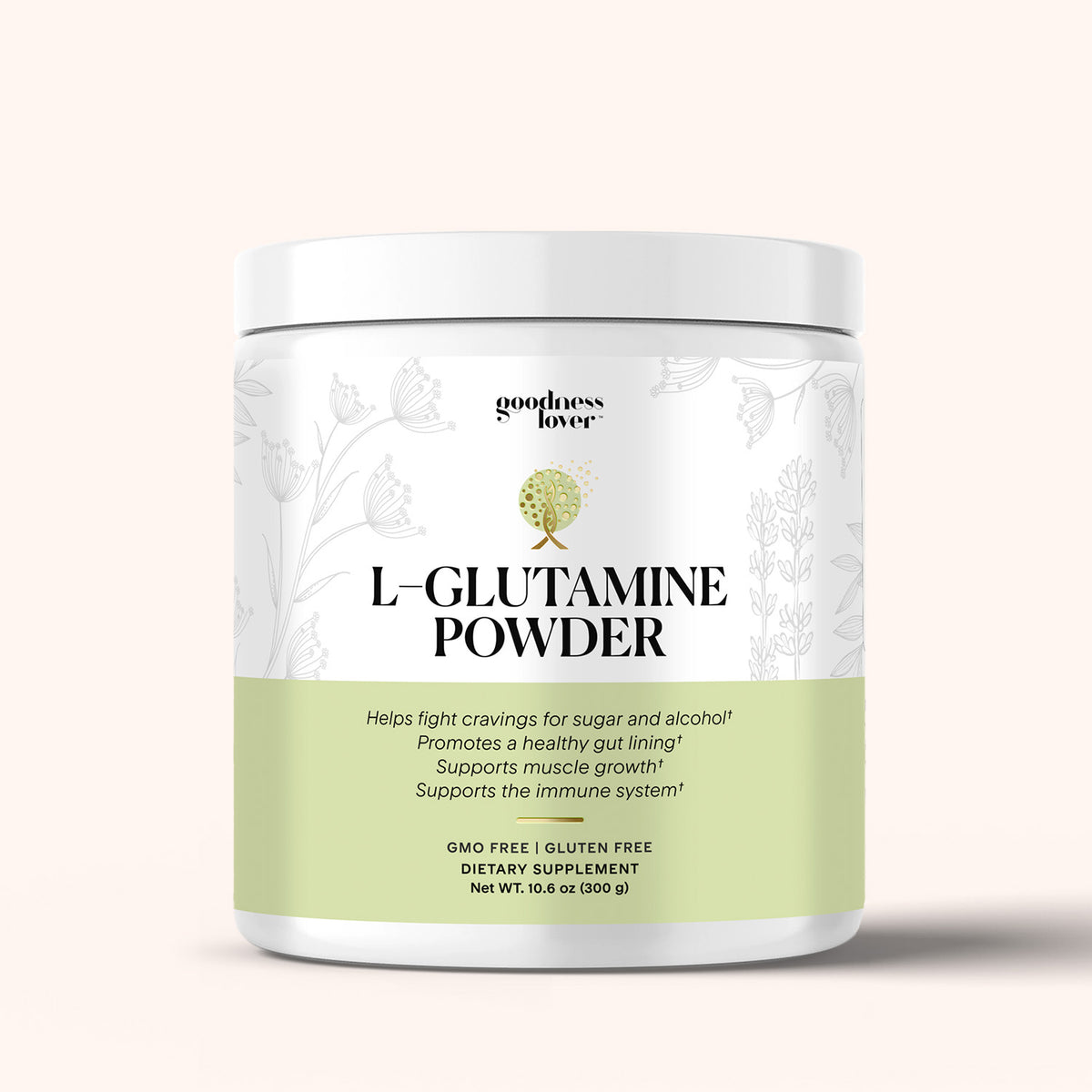
L-glutamine serves as your gut barrier's emergency repair crew. Antibiotics don't just kill bacteria - they can also damage your intestinal lining. L-glutamine is the preferred fuel for your intestinal cells and helps maintain barrier integrity during this vulnerable period. Take 5-10 grams daily.
Gentle anti-inflammatory support can help minimize the collateral damage and soothe irritated tissues without interfering with your antibiotic's effectiveness. Focus on gentle, gut-soothing compounds like slippery elm, marshmallow root, or aloe vera, or turmeric paired with black pepper for absorption.
Starve the opportunists by avoiding sugar and processed foods with additives and artificial sweeteners. When your beneficial bacteria are decimated, harmful bacteria and yeast are poised to take over. Don't give them the fuel they crave. Stick to whole foods and minimize refined carbohydrates during this vulnerable period.
Skip unnecessary antimicrobial products like antibacterial soaps, mouthwashes, or cleaning products when possible. Your microbiome is already under siege—don't add to the assault.

Phase 2: The Critical First Month Post-Antibiotic
The moment you take your last antibiotic dose, a race begins in your gut. Beneficial bacteria are trying to return and reestablish their territories, while potentially harmful microbes are competing for the same real estate. The winner of this microbial land grab will shape your health for months or even years to come. This is your most critical window for supporting natural recovery.
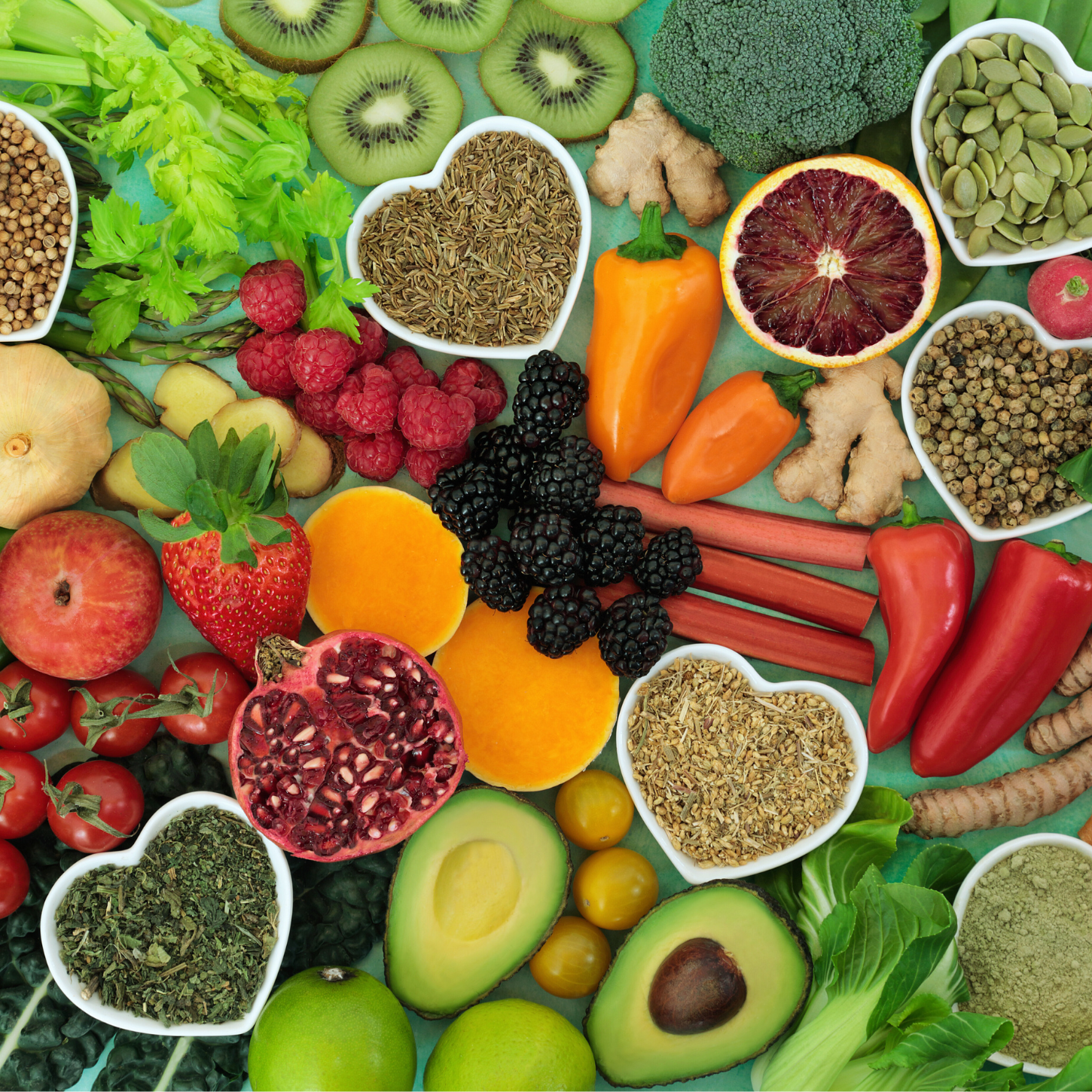
Your primary weapon in this phase isn't a supplement bottle—it's your fork. Diverse, fiber-rich plant foods become your most powerful intervention because they provide exactly what your returning beneficial bacteria need to thrive: fuel, building materials, and chemical signals that encourage recolonization.
The research is clear on this point: dietary fiber consistently outperforms probiotic supplements for long-term microbiome restoration. In fact, a diet that is deficient in fiber delays recovery. While probiotics provide temporary visitors, fiber feeds the permanent residents you want to encourage back home. Start with easily digestible fibers and gradually expand your variety. Cooked vegetables are often better tolerated than raw ones initially.
Prebiotic foods act like "Welcome Home" signs for your beneficial bacteria. Foods like garlic, onions, asparagus, artichokes, leeks, and green bananas contain specific compounds that beneficial bacteria love but harmful bacteria largely ignore. Start with small amounts—your gut is still sensitive—and gradually increase as tolerance improves.
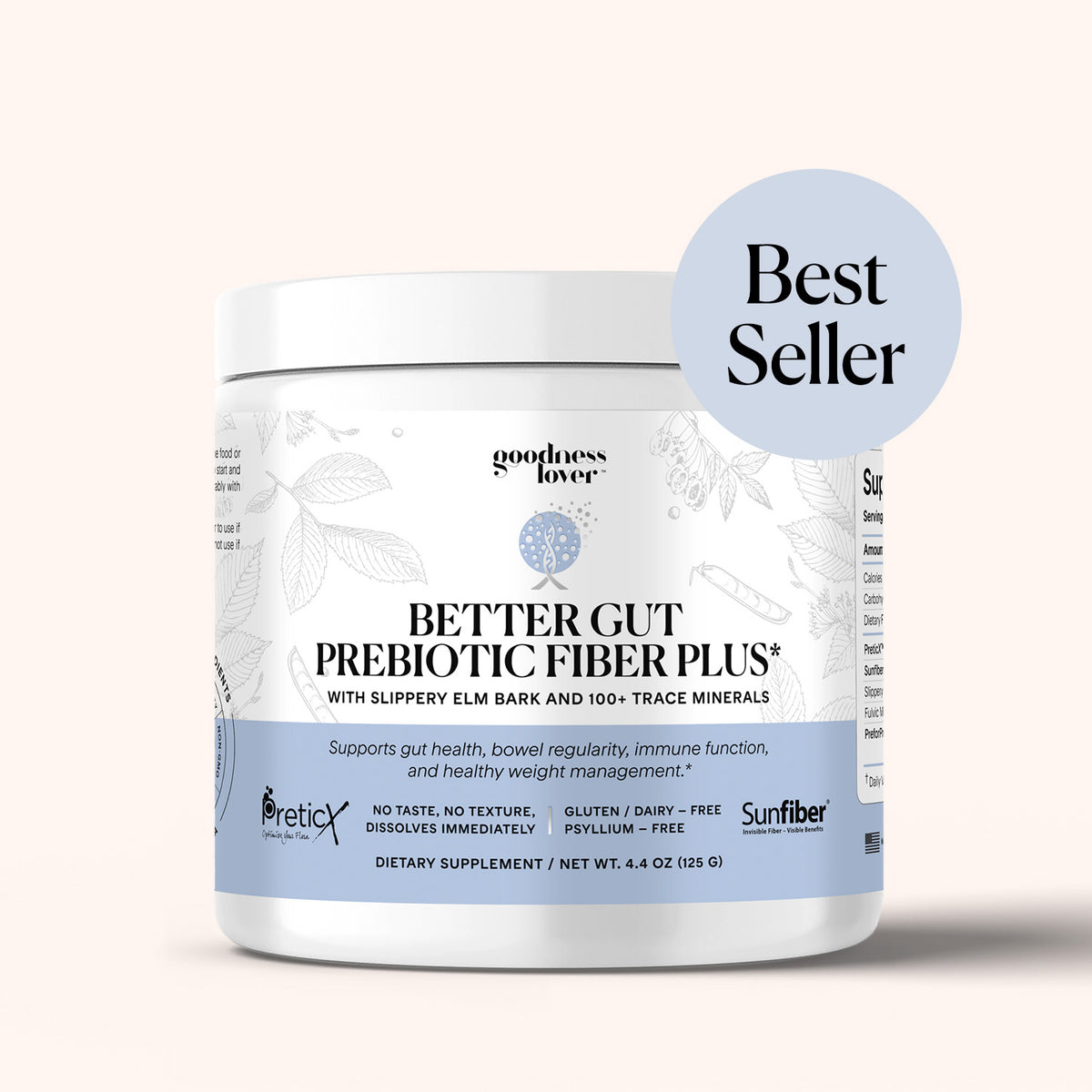
If you're struggling to get enough prebiotic fiber from food alone, a prebiotic supplement can help bridge the gap. Look for options containing partially hydrolyzed guar gum (PHGG), inulin, or resistant starch. Start with half the recommended dose and increase gradually to avoid bloating. These supplements provide concentrated fuel for beneficial bacteria without the interference that probiotic supplements can cause.
Fermented foods can provide gentle support, but let your gut be your guide. Small amounts of sauerkraut, kimchi, plant-based yogurt, or kefir might be helpful, but don't force it if you experience bloating or discomfort. Your recovering ecosystem might not be ready for large populations of new bacteria yet.
Continue L-glutamine supplementation during this critical phase, as well as anti-inflammatory herbs like DGL licorice and marshmallow root to continue supporting your gut lining's healing process.
Digestive enzymes might be temporarily helpful if you're experiencing bloating, gas, or incomplete digestion. Your digestive capacity may be compromised while your microbiome rebuilds, and enzymes can bridge the gap until your natural production normalizes.
This first month sets the trajectory for your entire recovery. By feeding your returning beneficial bacteria rather than trying to replace them, you're working with your body's sophisticated healing mechanisms rather than against them.
Phase 3: Long-term Microbiome Restoration
By month two, your microbiome is beginning to stabilize, but the real work of building resilience is just beginning. This phase is about transforming a surviving ecosystem into a thriving one—creating a diverse, robust community that can weather future storms and support optimal health for years to come.
Your goal now shifts to microbial diversity—the hallmark of a healthy, resilient microbiome. Research consistently shows that people with more diverse gut bacteria enjoy better immune function, sharper mental health, and greater resistance to disease. Aim for 30+ different plant foods per week, including vegetables, fruits, herbs, spices, nuts, seeds, and whole grains. This isn't about eating massive quantities—a sprinkle of cinnamon counts, a handful of berries counts, a few walnuts on your salad counts. It's variety, not volume, that feeds microbial diversity.
Rotate seasonal, local foods when possible. Different plants feed different bacterial species, and seasonal eating naturally provides the variety your microbiome craves.
Polyphenol-rich foods deserve special attention during this phase. Dark berries, green tea, dark chocolate, and colorful vegetables contain compounds that act like fertilizer for beneficial bacteria while inhibiting harmful ones. These foods help tip the microbial balance in your favor.

Don't overlook omega-3-rich foods like walnuts, flaxseeds, and chia seeds. Research suggests omega-3 intake positively influences microbiome composition, supporting beneficial bacterial diversity while providing anti-inflammatory benefits that complement your gut's healing process.
Lifestyle Factors for Recovery
Stress management becomes crucial because chronic stress elevates cortisol, which directly suppresses beneficial bacteria while promoting harmful ones. Whether through meditation, journaling, or simply spending time in nature, managing stress is as important as any dietary intervention.
Sleep optimization supports microbiome recovery in ways we're only beginning to understand. Poor sleep disrupts the circadian rhythms of gut bacteria, while quality sleep promotes beneficial species. Aim for 7-9 hours of consistent, restorative sleep.
Regular exercise increases microbial diversity more effectively than any supplement. Even moderate activity like walking promotes beneficial bacteria and improves gut barrier function. The key is consistency rather than intensity.
Time in nature exposes you to diverse environmental microbes that can beneficially colonize your gut. Gardening, hiking, or simply spending time outdoors provides microbial exposure that indoor living can't match. Similarly, interacting with pets and spending time with other people introduces beneficial microbial diversity—we literally share microbes with those we live and socialize with.
Conclusion: Trust Your Body's Wisdom
Your microbiome's ability to heal itself is remarkable—but only when you give it what it truly needs. Recovery is shaped by dietary resources, not supplement bottles. By focusing on diverse, fiber-rich foods, supporting your gut barrier, and trusting your body's innate wisdom, you're not just recovering from antibiotics—you're building a more resilient ecosystem than before.
Prevention remains your best strategy. Understanding when antibiotics are truly necessary—and asking your doctor about narrow-spectrum options when possible—can minimize future microbiome disruption.
Recovery is possible, but it takes patience. Every meal is an opportunity to nourish the trillions of allies working to restore your health from within. Your gut knows how to heal; your job is simply to create the conditions that allow it to thrive.


What Do You Think? Comment Below: