


They're in our oceans. Our soil. Our air. And now? They're in us.
Microplastics — those tiny fragments of plastic smaller than a sesame seed — have been found in human blood, brain tissue, breast milk, and perhaps most critically, the gut.
What was once dismissed as purely an environmental concern has become a pressing human health issue, and researchers are only just beginning to understand what it means for your body.
Your gastrointestinal tract isn't just where digestion happens — it's the front line of defence against what enters your body. And emerging research suggests that microplastics may be quietly disrupting that defence system in ways we're only now starting to measure.
Research estimates that Americans are consuming between 39,000 and 52,000 microplastic particles every year through food and drink alone. When you factor in what we breathe in, that number jumps to as many as 121,000 particles annually.
That's not a distant threat — it's happening right now, with every meal, every sip of water, every breath.
But this isn't about panic. It's about understanding what the science actually says so you can make informed choices about your health. Because while you can't eliminate microplastic exposure entirely, you can strengthen your gut's ability to handle it.
Let's look at what the latest research reveals — and more importantly, what you can do about it.
Table Of Contents:
- So What Exactly Are Microplastics?
- How Do They End Up in Your Gut?
- How Microplastics Disrupt Your Gut — From the Inside Out
- Beyond the Gut: Where Microplastics Travel Next
- What You Can Do — Practical Steps to Reduce Exposure and Protect Your Gut
- The Bottom Line
- Strengthen Your Gut Barrier From the Inside
So What Exactly Are Microplastics?
Microplastics are fragments of plastic smaller than five millimeters. But many are far tinier than that — some are measured in nanometers, making them smaller than a single bacterium and completely invisible to the naked eye.
They come from dozens of different plastic types:
|
Plastic Type |
Where You'll Find It |
|---|---|
|
Polyethylene |
Water bottles, plastic bags |
|
Polypropylene |
Food containers, yogurt cups, bottle caps |
|
Polystyrene |
Foam takeaway containers |
|
PET |
Beverage bottles |
|
Polyester |
Clothing fibers |
Each type carries its own cocktail of chemical additives — things like BPA and phthalates — designed to make plastics flexible, durable, or UV-resistant. And research suggests many of these additives may pose health risks even at extremely low concentrations.
How Do They End Up in Your Gut?
Through nearly everything you eat and drink.
Microplastics have been detected in rice, sugar, seafood, vegetables, bottled water, tap water, beer, salt, and even the air you breathe. Opening a plastic bottle can release thousands of particles into your drink. Your polyester clothing sheds microscopic fibers with every wash. Food packaging leaches particles into your food.
The single largest source? Water — especially bottled water. Bottled water drinkers take in an estimated 90,000 additional microplastic particles compared to just 4,000 for those who stick to tap water.

Among foods, the highest recorded levels have been found in shellfish, beer, and salt. Even heating food in plastic containers can dramatically increase the number of particles that migrate into your meal.
Once these particles reach your gut, the smallest ones — nanoplastics — don't necessarily stay put. Studies show they can cross the intestinal barrier, entering the bloodstream and traveling to the liver, kidneys, brain, and even the placenta.
We can't avoid microplastics entirely in our modern world. But understanding how they enter your system is the first step toward reducing your exposure — and protecting your gut from their effects.
And those effects? That's where the research gets really eye-opening.
How Microplastics Disrupt Your Gut — From the Inside Out
Your gut microbiome is an ecosystem of trillions of bacteria, fungi, and other microorganisms that do far more than help you digest food. This microscopic community:
- Regulates your immune system
- Produces essential vitamins
- Communicates with your brain
- Influences your mood and metabolism
When that ecosystem is balanced, you thrive. When it's disrupted, the effects ripple throughout your entire body.
And emerging research suggests microplastics may be quietly tipping that balance in the wrong direction.
The Microbiome Shift
In a groundbreaking study published in the Journal of Hazardous Materials, French researchers created an artificial gut environment — essentially a living model of the large intestine — and introduced polystyrene microplastics daily for two weeks.
The results were striking. Beneficial bacterial species declined, two disease-associated strains increased significantly, and the system produced higher levels of skatole, a compound linked to gut inflammation.
What’s interesting is that these same bacterial changes mirror patterns researchers see in inflammatory bowel diseases like Crohn's and ulcerative colitis — conditions where the immune system mistakenly attacks the gut itself.
And this wasn't an isolated finding. A 2021 study found a direct correlation between the severity of inflammatory bowel disease and the concentration of microplastics in patients' feces. The more plastic particles present, the worse the disease presentation.
Then, in 2025, researchers presented one of the first studies examining how microplastics affect the human gut microbiome at the United European Gastroenterology Week in Berlin. They exposed gut bacteria cultures to common microplastics at realistic levels.
While the total number of bacteria stayed the same, their behavior changed dramatically. The cultures became more acidic, and different species began thriving or declining depending on which type of plastic was present. Most striking? The bacterial patterns that emerged closely resembled those seen in people with depression and colorectal cancer.
The Leaky Gut Connection
Your intestinal lining is designed to be selectively permeable — letting nutrients into your bloodstream while keeping out bacteria, toxins, and undigested food particles. This barrier depends on tight junctions, protein structures that seal the spaces between intestinal cells.
Microplastics disrupt this system in two ways:
-
They starve your gut barrier. Microplastic exposure impairs production of short-chain fatty acids (SCFAs) — the fuel your gut lining cells need to stay strong. Without enough SCFAs, those tight junctions begin to loosen.
-
They physically stick to your gut wall. Both microplastics and intestinal membranes repel water (they're hydrophobic), so when they meet, they cling together. This creates a kind of sandwich effect that traps fat molecules and increases fat absorption by up to 145% — while triggering inflammatory responses in intestinal cells.
The result? Increased intestinal permeability — commonly known as leaky gut.
When your gut becomes leaky, harmful substances that should stay in your digestive tract — bacteria, toxins, partially digested food proteins, and microplastics themselves — pass into your bloodstream. Your immune system recognizes these as foreign invaders and mounts an inflammatory response.
And here's the sobering part: the French researchers noted that harmful changes appeared after just two weeks of daily microplastic exposure. As lead researcher Lucie Etienne-Mesmin pointed out, "In real life, you are exposed on a daily basis. So maybe the effect will be even stronger than the one we observed."

Beyond the Gut: Where Microplastics Travel Next
Once microplastics cross your compromised gut barrier, they don't just disappear. They accumulate in organs and trigger effects far beyond your digestive tract:
|
System |
What Research Shows |
|---|---|
|
Brain |
Gut microbiota disruption from microplastics has been linked to brain lesions, neuroinflammation, and impaired learning and memory |
|
Heart |
Microplastics found in human blood samples are linked to increased cardiovascular risk through inflammatory pathways that begin in the gut |
|
Immune System |
Microplastics alter the gut microbiome's ability to train and regulate immune cells — and 70–80% of your immune system resides in or around your gut |
|
Metabolism |
Beyond increased fat absorption, microplastics appear to alter metabolic signaling, potentially contributing to obesity, insulin resistance, and metabolic syndrome |
The picture is clear: what happens in your gut doesn't stay in your gut. When microplastics disrupt your microbiome and compromise your intestinal barrier, the effects cascade throughout your entire body.
The key takeaway isn't that microplastics are an unstoppable threat.
It's that your gut barrier and microbiome health matter more than ever. When those systems are strong and resilient, your body has a far better chance of processing and eliminating these particles before they cause harm.
And that's exactly what we can influence.
What You Can Do — Practical Steps to Reduce Exposure and Protect Your Gut
Here's the honest truth: after decades of plastic production and waste, microplastics have made their way into virtually every corner of the planet — the air we breathe, the water we drink, the food we eat. No amount of personal effort can eliminate exposure completely.
But that doesn't mean you're powerless. While the bigger picture requires systemic change — better plastic legislation, improved waste management, and development of safer biodegradable alternatives — there are meaningful steps you can take right now to reduce your daily exposure and strengthen your gut's ability to handle what does get through.
Some of the most effective changes are also the simplest:
- Swap plastic cookware and food containers for glass, stainless steel, or ceramic — especially for heating. Hot temperatures accelerate plastic breakdown.
- Choose fresh produce over heavily packaged foods when possible. Less plastic contact with your food means less exposure.
- Use a water filter that removes microplastics. Reverse osmosis and carbon block filters are among the most effective options.
- Consider a HEPA air filter at home. Microplastics are airborne too, and a quality filter can reduce what you're breathing in daily.
- Choose natural-fiber clothing where possible. Synthetic fabrics like polyester shed microplastic fibers with every wash and wear.
Even the most diligent plastic-free efforts can only go so far — which is exactly why supporting your gut's natural defences matters just as much as reducing exposure:
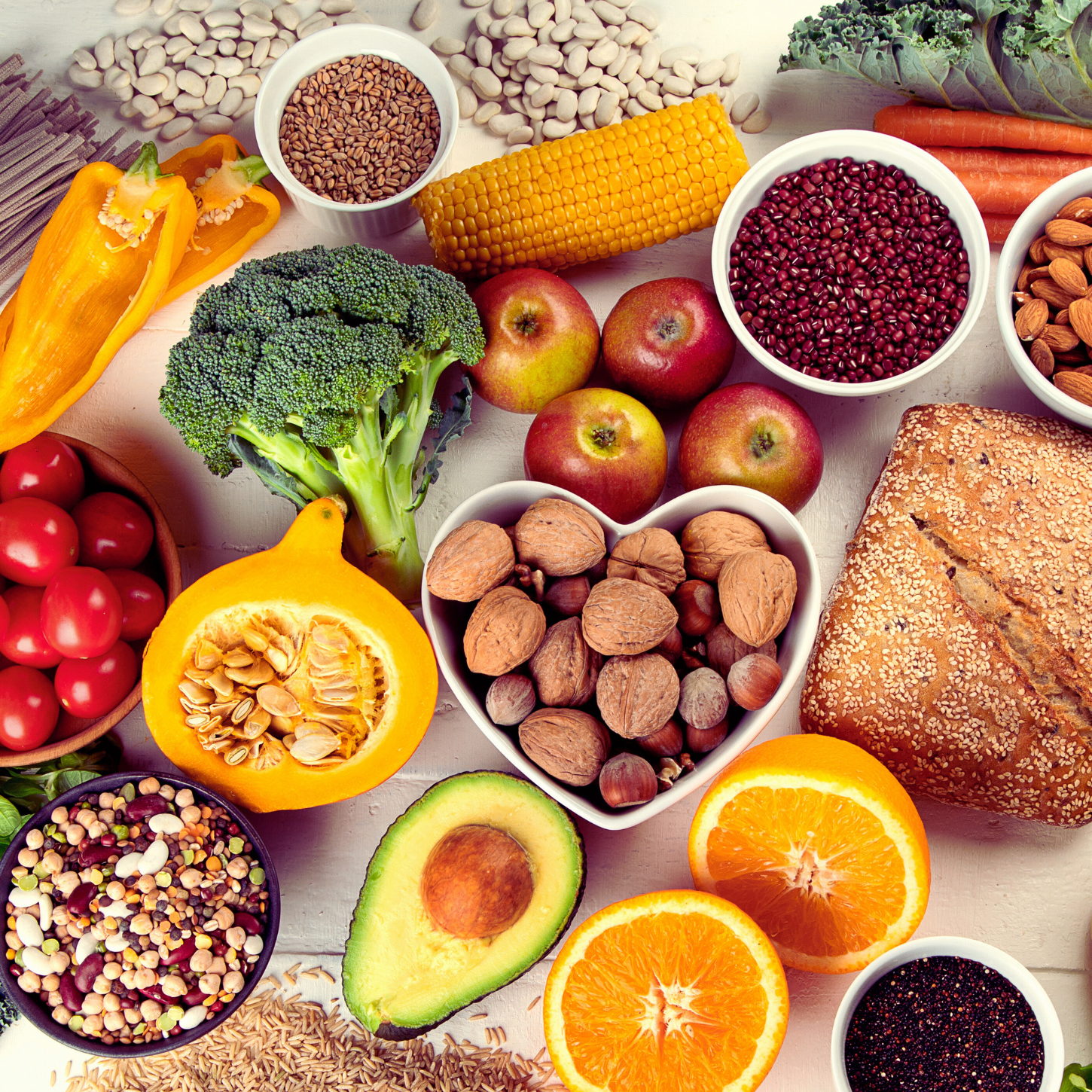
- Feed your beneficial bacteria. Soluble fibers ferment in the colon to produce short-chain fatty acids (SCFAs) like butyrate, which help reinforce the intestinal lining. A stronger gut barrier means less microplastic penetration into the bloodstream. Great sources include oats, flaxseeds, legumes, bananas, apples, and Jerusalem artichokes.
- Include probiotic foods in your routine such as kimchi, sauerkraut, and miso. They support healthy gut processes and help your body remove waste — including microplastics.
- Eat plenty of high-fiber foods. Fiber promotes regular bowel movements, one of your body's primary ways of clearing plastic particles from your system.
- Load up on antioxidant-rich foods like berries and leafy greens to help counter the oxidative stress microplastics may trigger.
- Support your liver's detox pathways with cruciferous vegetables, glutathione, turmeric, and garlic — your body's natural cleanup crew.

The Bottom Line
Microplastics aren't going away anytime soon.
But here's what the research keeps pointing back to: your gut is your first line of defence. A resilient microbiome and a strong intestinal barrier are your best tools for handling what you can't avoid.
The reality is that this problem needs to be tackled from all angles — from global policy change right down to what's on your plate. You can't often control what's happening at the industrial level, but you can make a few intentional swaps and give your gut the nutritional support it needs to better protect you from the inside out.
You don't need to overhaul your entire life. Swap out some plastic, eat more fiber, feed your good bacteria, and stay informed as the science evolves. Small, consistent choices add up.
Because the goal was never perfection — it's protection. And that starts from the inside out.
Strengthen Your Gut Barrier From the Inside
If microplastic research has made one thing clear, it's that a strong gut barrier and a thriving microbiome are your best natural defense.
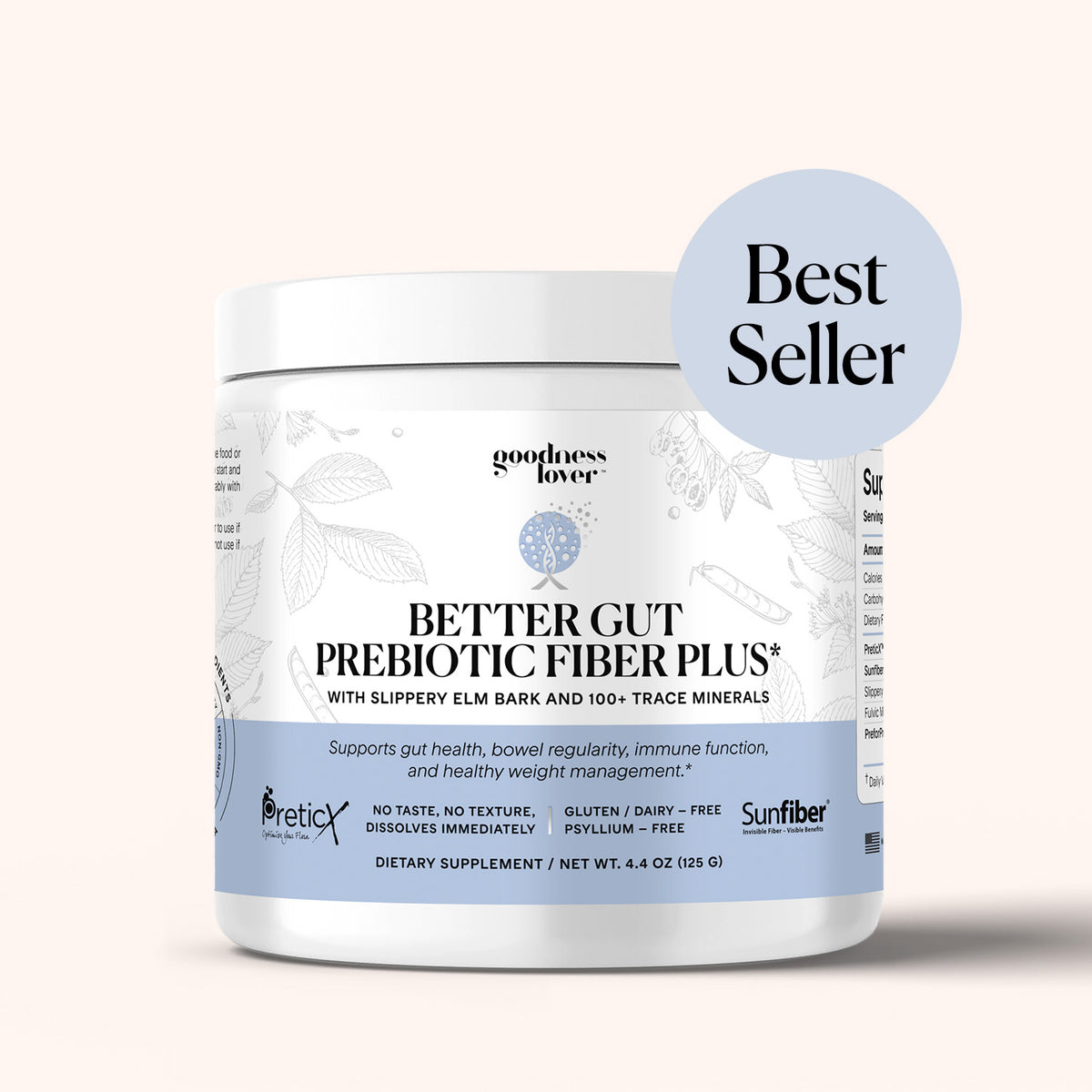
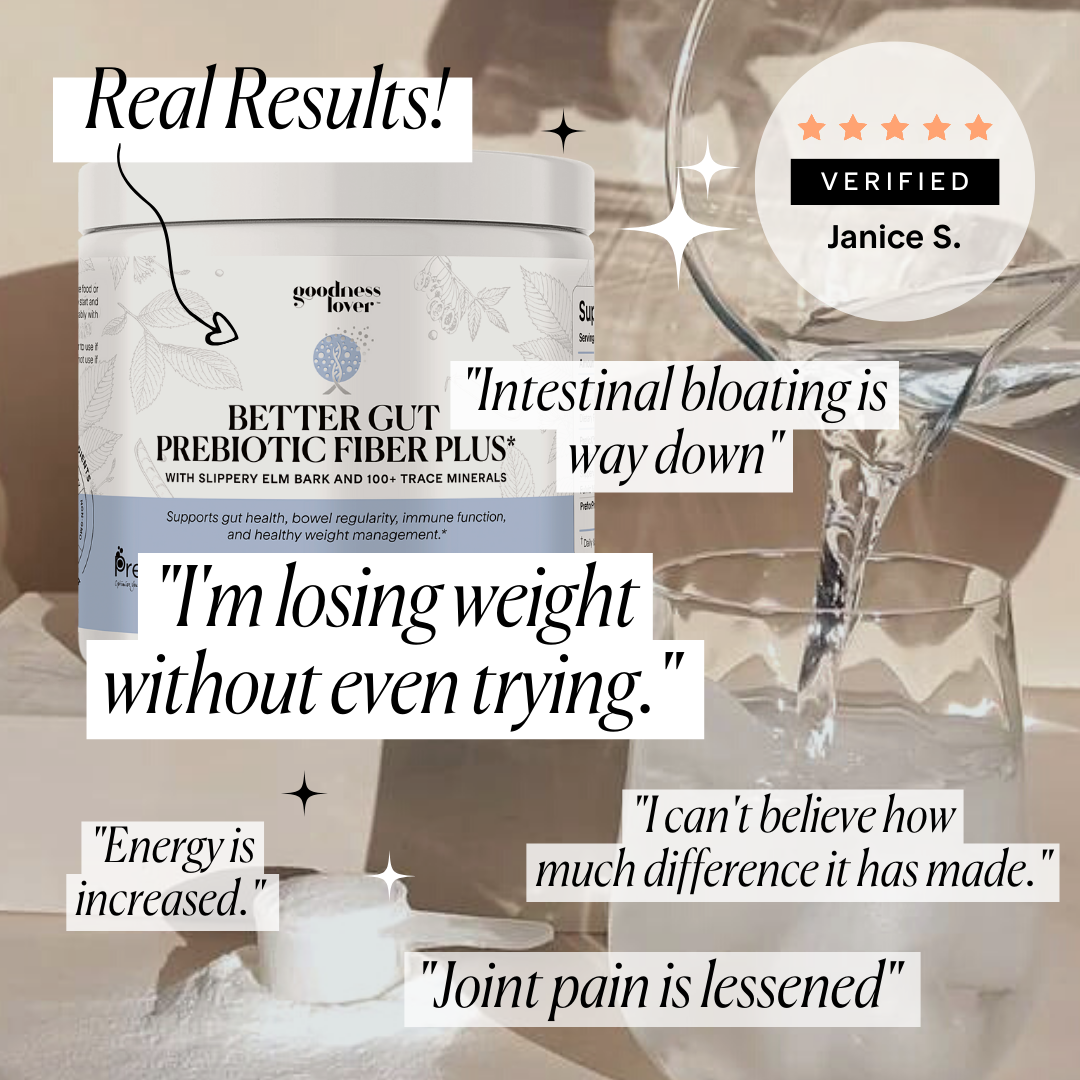
Better Gut Prebiotic Fiber Plus was designed to do exactly that — deliver targeted prebiotic fibers that feed your beneficial bacteria and support the production of short-chain fatty acids like butyrate, the very compounds research shows help reinforce your intestinal lining.
With a blend of soluble and insoluble fibers, it supports gut barrier integrity to help keep unwanted particles where they belong, fuels the growth of beneficial bacteria that protect your gut, and promotes healthy digestion and regularity — your body's natural way of clearing waste, including microplastics.
In a world where you can't avoid every microplastic particle, giving your gut the tools it needs to protect itself isn't optional — it's essential.
👉 Try Better Gut Prebiotic Fiber Plus today →



What Do You Think? Comment Below: