


You might remember watching Super Size Me in a health class somewhere back in middle or high school. The one where a guy eats nothing but McDonald's for 30 days and everyone in class groans at the milkshake scene. It felt like a stunt at the time, maybe even a little exaggerated for effect.
Turns out, the scariest part of that documentary wasn't the weight gain. It was what happened to his liver.
By the end of the 30 days, Morgan Spurlock's weight, blood pressure, and cholesterol had all skyrocketed. No surprise there. But his liver enzymes shot up too, a sign that liver cells were dying and spilling their contents into his bloodstream.
That's not something you feel happening. It's something that shows up only in bloodwork.
And it wasn't just him. Researchers later tested this properly with a group of otherwise healthy men and women, having them eat two fast food meals a day while tracking their liver values. Most started out completely normal. Within one week, most of them had liver values swinging into a range that signals real damage.
One week. That's all it took, and not one of them would have felt it happening.
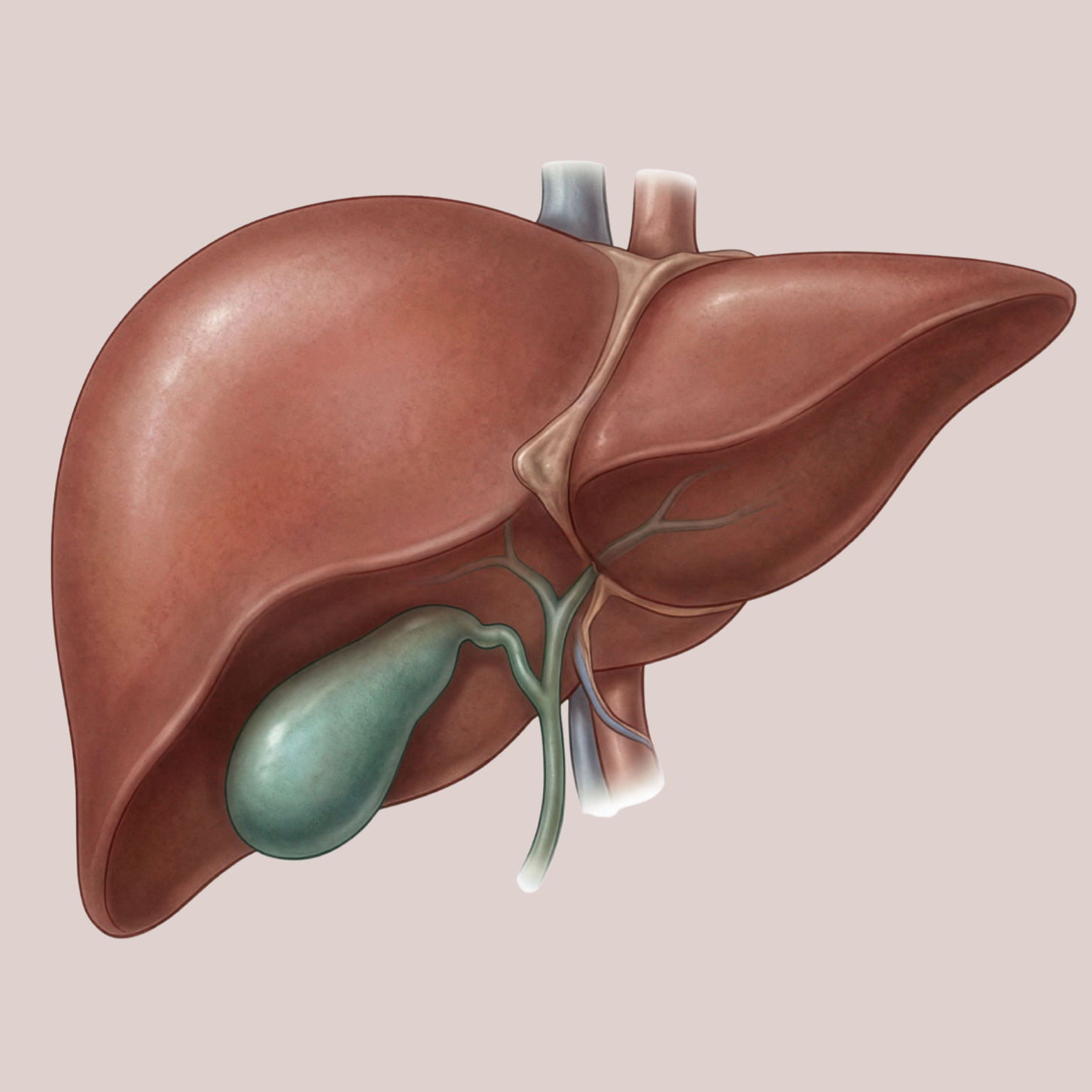
That's the disease we're talking about today: nonalcoholic fatty liver disease, now more accurately called MASLD (metabolic dysfunction-associated steatotic liver disease). It's been called the next global epidemic, and the numbers back that up.
Table Of Contents:
What Fatty Liver Disease Actually Is
MASLD isn't one single condition. It's a spectrum. It starts with simple fat buildup in the liver (steatosis), which on its own often causes no symptoms and no damage. Left unaddressed, it can progress to NASH (nonalcoholic steatohepatitis), where inflammation sets in and starts scarring liver tissue. That scarring, called fibrosis, tends to advance in stages roughly seven years apart. At the far end of that road is cirrhosis — permanent, irreversible damage that can lead to liver failure or liver cancer.
The scale of this is hard to overstate. MASLD affects approximately a third of adults worldwide, and it's now the most common cause of chronic liver disease. It's not just an adult problem, either: nearly 70–80% of children with obesity may already have it. If you have obesity, the numbers get even starker. Over 75% of people with obesity have it, and that climbs to up to 90% of people with severe obesity.
And here's the part that makes it dangerous: in its early stages, it doesn't announce itself. No pain, no obvious symptoms, nothing that sends you to a doctor. By the time symptoms do show up — fatigue, unexplained weight loss, a dull ache under the right ribs — the disease has often already progressed past the point where it's easily reversible.
What's Actually Causing This
If you strip it down, liver fat comes from three places:
Excess dietary sugar. This isn't theoretical, it's been tested directly. When researchers put teens with fatty liver on a diet low in added sugar and sugary drinks, they saw significant improvement within just eight weeks.

Excess dietary fat. Also tested directly, and the results might surprise you if you've been hearing that fat is fine as long as you cut carbs. Researchers put people on identical-calorie diets — one low-fat, one high-fat — and within two weeks, the low-fat group's liver fat dropped 20%, while the high-fat group's liver fat rose 35%. Insulin levels moved in opposite directions, too: down 15% on low-fat, up 15% on high-fat. This runs directly counter to the popular idea that high-fat, low-carb eating like the ketogenic diet protects your liver by keeping insulin low.
Spillover from body fat. When you're carrying more fat than your body can comfortably store elsewhere, some of it ends up in the liver.
As you can see, diet is the biggest lever here, but it's not the only cause. Genetics play a role, as do environmental exposures like certain plastics and chemicals, some medications, hypothyroidism, PCOS, sleep apnea, and high blood pressure.
The Gut Connection
But there's another piece to this that rarely makes it into the conversation: your gut.
Your liver and your gut are in constant conversation. Everything absorbed in your intestines travels straight to your liver through a blood vessel called the portal vein, which means whatever's happening in your microbiome doesn't stay in your gut. It shows up in your liver.
Research consistently shows that people with MASLD have a distinctly different gut microbiome than people without it: lower overall bacterial diversity, more of certain bacteria like E. coli and Prevotella, and less of the beneficial species Akkermansia muciniphila and Faecalibacterium — bacteria generally associated with a healthy gut lining. This isn't just correlation. The imbalance seems to actively drive disease progression, through a few key mechanisms:
- A leakier gut lining. Dysbiosis weakens the tight junctions between intestinal cells, letting bacterial byproducts like LPS (lipopolysaccharides) slip into the bloodstream and travel to the liver, where they trigger inflammation.
- Disrupted bile acid signaling. Your gut bacteria help regulate bile acids, which in turn influence how your liver handles fat. Throw off the bacteria, and you throw off that regulation.
- Fewer short-chain fatty acids. These are the beneficial compounds your gut bacteria produce when they ferment fiber, and they play a protective, anti-inflammatory role in liver health. Less fiber intake means less of these being made.
And here's the loop that ties it all together: eating a diet high in fat and low in fiber doesn't just raise liver fat directly. It also reshapes your gut bacteria in a way that makes the problem worse, feeding populations of bacteria that produce more inflammatory compounds and further weaken your gut lining. Diet and your microbiome aren't separate factors acting on your liver independently. They're feeding each other.
The Worst and Best Foods for Your Liver
By now the pattern should be pretty clear: what you eat doesn't just add up on the scale, it shows up directly in your liver and your gut microbiome. So let's get specific about which foods are working against you, and which ones are actually doing repair work.
Foods that make it worse:
- Sugar-sweetened drinks (soda, fruit juice) — one soda a day may raise fatty liver odds by 61%
- Refined carbs (white bread, pastries)
- Fried and highly processed foods
- Red and processed meat — people eating the most red meat have nearly triple the odds of fatty liver disease compared to those eating the least
- Excess alcohol (yes, even though it's called "non-alcoholic," alcohol still accelerates damage)
- Saturated fat sources like red meat, cheese and coconut oil, which in controlled studies raised liver fat more than sugar did
Foods that help:
- Whole grains, especially oats. This one has real trial data behind it, and it's a good story. In a double-blind, placebo-controlled trial, people eating real oatmeal saw significant weight loss, a slimmer waist, a 20-point drop in cholesterol, and improved liver function, while the placebo group saw none of that. A 2014 follow-up study confirmed whole grains are protective, while refined grains were linked to increased risk.
- Legumes. Beans, lentils, chickpeas, split peas — higher intake is linked to up to 65% lower odds of fatty liver.
- Anthocyanin-rich foods (berries, red cabbage, radicchio, plums) — early but promising evidence for reducing liver inflammation.
- Fermented and prebiotic foods (garlic, onions, kimchi, sauerkraut) — to support the gut bacteria that support your liver.
- Coffee — associated with reduced liver inflammation.

What the Vegetarian and Plant-Based Data Shows
This is where the picture gets pretty compelling. A large cross-sectional study out of Taiwan, comparing over 2,000 non-vegetarians to nearly 1,300 vegetarians, found that vegetarian diets were associated with lower odds of fatty liver, and the vegetarians who did develop it tended to have significantly less liver scarring. In that same dataset, simply swapping a serving of meat or fish for a serving of soy was tied to a 12–13% increase in fatty liver risk.
In the U.S., people eating vegetarian were found to be slimmer, with better blood sugar and cholesterol, and less than half the odds of fatty liver disease compared to omnivores.
To be fair to the science: there hasn't yet been a large randomized controlled trial putting a fully plant-based diet to the test specifically for fatty liver disease. But there's a strong secondary argument worth making here. Cardiovascular disease, not liver failure, is actually the leading cause of death in people with fatty liver disease. And a healthy plant-based diet is one of the few interventions we do have gold-standard randomized trial evidence for reversing heart disease. So even in the absence of a fatty-liver-specific trial, the case for a whole-food, plant-forward pattern is strong on multiple fronts.
Helpful Supplements
Food comes first, always. But a few supplements have real evidence behind them for liver health specifically, and they're worth knowing about.
Milk thistle (silymarin). This is the classic liver-support herb. Multiple systematic reviews have found that silymarin reduces liver enzymes, improves lipid profiles, and reduces hepatic fat accumulation and liver stiffness in people with fatty liver disease. It doesn't show consistent benefit for inflammation specifically, and its benefit may be most meaningful for people who already have elevated liver enzymes, rather than a universal fix. It's generally very well tolerated, however it can interact with certain medications, so it's worth a conversation with your doctor first.
Plant-based omega-3s. Flaxseed, walnuts, and algae-based omega-3s have their own dedicated body of research, separate from fish oil. A meta-analysis specifically on plant-based sources found they significantly reduced ALT (a liver enzyme) and triglycerides, along with improvements in BMI and waist circumference.
Vitamin E. The most extensively studied supplement for this condition. An umbrella review of meta-analyses found it improves liver enzymes, fibrosis, and steatosis, with the strongest benefit at higher doses sustained over a year or more. Food sources (sunflower seeds, almonds, wheat germ) are a good place to start; high-dose, long-term supplementation is something to discuss with a provider rather than take on unsupervised.
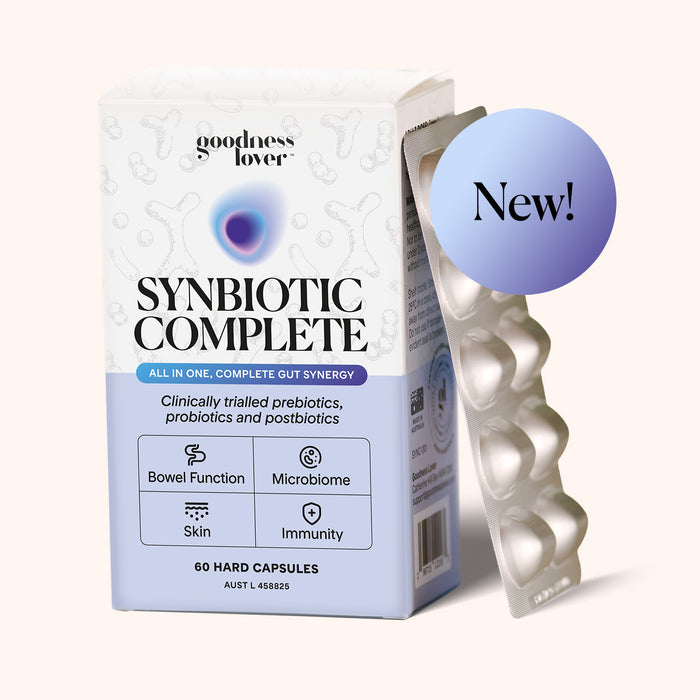
Prebiotics, probiotics, and synbiotics. Given everything we've covered about the gut-liver connection, these make intuitive sense, and the research backs that up. A meta-analysis of 34 studies found meaningful improvements in liver enzymes, fibrosis markers, triglycerides, and inflammation with this kind of supplementation. Individual trials are more mixed, not every specific product outperforms placebo, but the overall direction is encouraging.
Move, Even Without Weight Loss
One more thing, your liver benefits from movement even if the scale doesn't budge.
In a pooled analysis of randomized controlled trials, people doing aerobic exercise were nearly five times more likely to see a meaningful drop in liver fat than people who didn't exercise, and this held true even for those who lost less than 3% of their body weight. Their waist circumference, visceral fat, and fitness all improved too, weight loss or not.
And the exercise itself wasn't extreme. We're talking regular walking or cycling over 12 to 20 weeks, right in line with the usual guidance of about 150 minutes of moderate activity a week. Your liver responds to the movement itself, not just to whatever the scale says.
Where This Leaves You
Remember that fast food study from the beginning? One week, no symptoms, and yet real liver damage was already underway. That's the whole point of this article. MASLD doesn't wait for you to feel it before it starts. It builds quietly, shaped by what you eat, how you move, and the trillions of bacteria doing their own thing in your gut.
The good news is that every piece of this is workable. Fewer sugary drinks and more legumes. A bowl of oats instead of white toast. A walk most days, even if the scale doesn't move. A little support from your gut bacteria and maybe a supplement or two. None of it requires perfection, and none of it depends on catching this after it's already caused damage.
If you fall into a higher-risk group — type 2 diabetes or prediabetes, elevated liver enzymes on a routine bloodwork panel, or fatty liver noted incidentally on an ultrasound — it's worth raising with your doctor sooner rather than later. There are a few ways to check: a simple ultrasound, blood-based scoring tools like FIB-4, or more detailed options like specialized imaging or a liver biopsy for anyone who needs a closer look. Your doctor can help figure out what's right for you.
It's also worth bringing a functional medicine practitioner into the picture alongside your regular doctor. So much of what actually moves the needle here — diet, gut health, movement, sleep — lives outside the scope of a standard 15-minute appointment. That kind of ongoing, whole-picture support is exactly what this condition responds to, and exactly what it deserves.



What Do You Think? Comment Below: