


For a long time, "healthy dessert" has been a story about subtraction. Less sugar. Less butter. Less of whatever made the original version worth eating in the first place, until what's left barely resembles dessert at all.
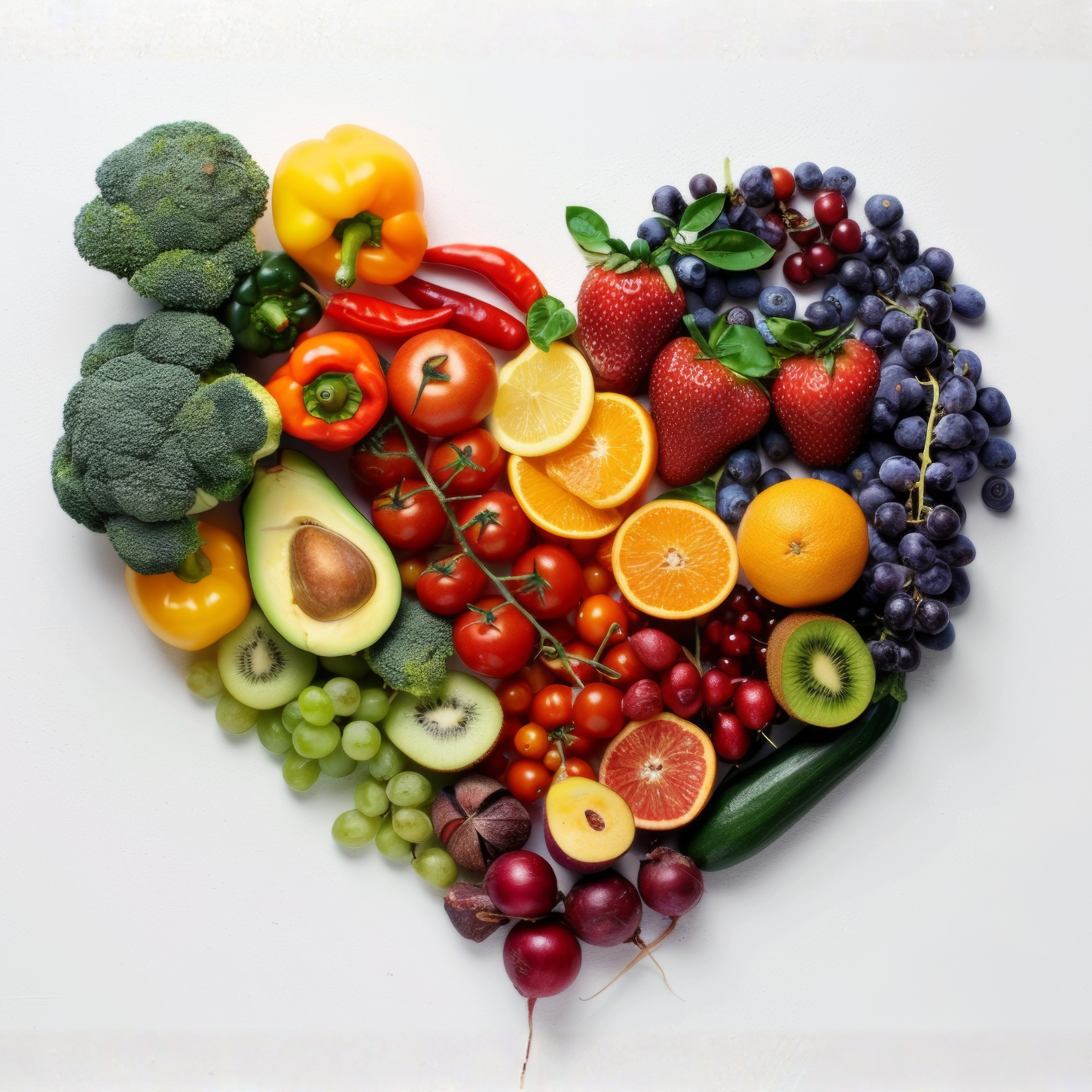
There's a better way to think about it. A dessert can be healthy not because of what's missing, but because of what it actively does once it reaches your gut. Choose the right ingredients, and that same plate of something sweet can feed your beneficial bacteria, calm the compounds driving inflammation in your gut lining, and add real diversity to the plant foods your microbiome depends on.
Cutting refined sugar is a start. It's not the finish line. Genuine benefit is the actual goal, and it's what's behind every recipe below.
Why Plant Diversity Matters More Than Any Single "Superfood"
Researchers behind the American Gut Project found that people who eat 30 or more different plant foods a week have measurably more diverse gut microbiomes than people eating fewer than 10, and diversity is one of the more consistent markers of a resilient gut. A dessert that combines oats, walnuts, figs, and berries in one sitting is quietly doing more for that number than it looks like on the plate.
Polyphenols Aren't Just Antioxidants, They're Bacterial Food
Cocoa flavanols, in particular, have been shown in controlled human trials to act somewhat like a prebiotic: they increase beneficial strains like Bifidobacteria and Lactobacilli while suppressing less favorable species. Walnuts have their own track record here. Research has found that regular walnut consumption shifted participants' gut bacteria and their bile acid profiles in favorable directions, alongside measurable changes in cardiometabolic health markers. None of this requires large amounts, just consistent, direct exposure.

Fiber That Survives Digestion Is the Whole Point
Pectin, the soluble fiber in apples, can't be broken down by human enzymes, so it travels intact to the colon, where bacteria ferment it into short-chain fatty acids like butyrate, the primary fuel source for the cells lining your colon wall. Resistant starch works on a similar principle: when starchy foods like sweet potatoes are cooked and then cooled, their starch molecules realign into a structure your digestive enzymes can't easily break down, so more of it reaches the colon intact rather than being absorbed as sugar in the small intestine.
With that as the backdrop, here are seven desserts built around those mechanisms, not just around removing something.
1. Salted Miso Caramel Apple Crumble

Miso brings genuine fermentation complexity to a caramel sauce, and if you use an unpasteurized ("live") miso, it can carry some active cultures along with it, though even pasteurized miso still contributes isoflavones and fermentation byproducts. The apples are doing their own quiet work: their pectin ferments into gut-nourishing short-chain fatty acids.
Ingredients: 4 apples, sliced; 1 tsp cinnamon; 1 tbsp white miso; 2 tbsp date syrup; 1 tbsp avocado oil (for the caramel). For the topping: 1 cup rolled oats, ½ cup almond flour, ⅓ cup chopped walnuts, 3 tbsp avocado oil, pinch of salt.
Method: Toss the sliced apples with cinnamon and spread in a baking dish. Whisk the miso, date syrup, and avocado oil into a loose caramel and drizzle over the apples. Mix the topping ingredients until crumbly, scatter over the top, and bake at 350°F for 30–35 minutes, until golden and bubbling.
2. Coconut Yogurt Parfait with Toasted Walnuts and Berries

Choose a coconut yogurt labeled with live active cultures, and the base alone is already earning its place before you add a single topping. Layer in the walnuts (for that same favorable bacterial shift mentioned above) and berries, whose anthocyanins are themselves associated with a more favorable gut environment.
Ingredients: 2 cups plain, unsweetened coconut yogurt (live cultures); 1 cup mixed berries; ⅓ cup walnuts, toasted and chopped; 1 tbsp date syrup; pinch of cinnamon.
Method: Toast the walnuts in a dry pan for 3–4 minutes until fragrant. Layer the yogurt, berries, and walnuts in a glass, drizzle with date syrup, and finish with a dusting of cinnamon.
3. Roasted Banana "Nice Cream" with Cacao Nibs and Ginger

Ripe bananas lose most of their starch as they sweeten, so the gut appeal here comes from elsewhere in this recipe: cacao nibs carry the same flavanols found in dark chocolate, and fresh ginger has long been used to ease digestive discomfort. Roasting the bananas first concentrates their natural sweetness, so there's no need for added sugar.
Ingredients: 4 ripe (not overripe) bananas, halved lengthwise; 1 tsp olive oil; ½ tsp ground ginger or 1 tsp fresh grated ginger; 2 tbsp cacao nibs; a splash of plant milk.
Method: Brush the banana halves with olive oil and roast at 400°F for 12–15 minutes until caramelized. Freeze for at least 3 hours. Blend the frozen roasted bananas with the ginger and a splash of plant milk until soft-serve smooth, fold in the cacao nibs, and serve right away.
4. No-Bake Fig and Walnut Energy Bars

Figs are one of the few fruits actually studied for direct digestive symptom relief. In one trial, people who ate dried figs twice daily saw meaningful reductions in bloating and constipation compared to a control group. Paired with fiber-rich oats and polyphenol-rich walnuts, this one's built for the gut from
Ingredients: 1½ cups dried figs, stems removed; 1 cup walnuts; ½ cup rolled oats; 1 tbsp chia seeds; 1 tbsp almond butter; pinch of sea salt.
Method: Pulse the figs, walnuts, and oats in a food processor until sticky and well combined. Add the chia seeds, almond butter, and salt, and pulse again. Press into a lined pan, chill for an hour, and slice into bars.
5. Sweet Potato Brownies

This is the resistant-starch recipe. Cook your sweet potato a day ahead and let it cool completely in the fridge before mashing, that cooling period is what allows the starch to reorganize into a form your gut bacteria ferment rather than your small intestine absorbs. Cacao powder adds its own dose of gut-supportive flavanols on top.
Ingredients: 1½ cups mashed, cooked, and cooled sweet potato; ½ cup almond butter; ⅓ cup cacao powder; ¼ cup date syrup; 1 tsp vanilla; ½ tsp baking soda; pinch of salt; ¼ cup chopped walnuts (optional).
Method: Mix the cooled mashed sweet potato with the almond butter, cacao powder, date syrup, vanilla, baking soda, and salt. Fold in walnuts if using. Spread into a lined 8x8-inch pan and bake at 350°F for 20–25 minutes. Let cool completely before slicing, the second cooling builds even more resistant starch.
6. Raspberry Chia Jam Thumbprint Cookies

A whole-fruit chia jam keeps far more fiber intact than a standard refined jam, and raspberries are already one of the higher-fiber fruits available. The almond flour base adds more fiber and vitamin E.
Ingredients: For the jam: 1½ cups raspberries, 2 tbsp chia seeds, 1 tbsp date syrup. For the cookies: 2 cups almond flour, ¼ cup date syrup, 3 tbsp melted avocado oil, 1 tsp vanilla, pinch of salt.
Method: Simmer the raspberries for 5–7 minutes until broken down, stir in the chia seeds and date syrup, and let thicken for about 10 minutes. Mix the cookie dough ingredients, roll into balls, press a thumbprint into each, and fill with the jam. Bake at 350°F for 12–14 minutes.
7. No-Bake Cashew-Coconut Yogurt Cheesecake

The crust alone, walnuts and dates instead of a refined graham cracker base, adds more fiber and polyphenols than most cheesecakes see in their entire ingredient list. The coconut yogurt in the filling brings tang and, if you choose a live-culture variety, some active bacteria along for the ride.
Ingredients: For the crust: 1 cup walnuts, 1 cup pitted dates, pinch of salt. For the filling: 2 cups cashews, soaked 4 hours; ½ cup coconut yogurt (live cultures); ¼ cup date syrup; ¼ cup melted olive oil; juice of 1 lemon; 1 tsp vanilla.
Method: Pulse the crust ingredients until sticky and press into a springform pan. Blend the filling ingredients until completely smooth, pour over the crust, and freeze for 4–6 hours until set. Let thaw for about 10 minutes before slicing.
A few notes before you start. Several of these recipes benefit from planning a step ahead: the sweet potato brownies need their sweet potato cooked and cooled the day before to get the full resistant-starch effect, and the cheesecake needs a few hours in the freezer to set. If you're avoiding nuts, sunflower seed butter and pepitas work as swaps for the almond flour and walnuts in most of these. And if oats are a concern, look for a certified gluten-free variety, since oats themselves are naturally gluten-free but are often processed alongside wheat.
Have Your Cake (And Feed Your Gut, Too)
None of these recipes are a treatment for anything, and one dessert isn't going to transform your microbiome overnight. What they're built to do is stack the odds a little more in your favor, one ingredient at a time, in a category of food that usually pulls in the opposite direction.
That's really the whole argument. None of these desserts ask you to give anything up, they just put the fiber, the fermentation, and the polyphenols to work instead of treating them as an afterthought. A dessert doesn't have to choose between tasting amazing and doing something for you. The best ones do both at once.





What Do You Think? Comment Below: