


If you've been diagnosed with IBS, chances are you've been told some version of "try a bland diet, take this antispasmodic, and manage your stress." Maybe you were handed a sheet of foods to avoid and sent on your way.
Which sounds simple enough until you're standing in your kitchen at 6pm wondering why a salad just ruined your evening.
The truth is, IBS isn't one thing. It's a collection of symptoms — bloating, cramping, diarrhea, constipation, gas, urgency — that can have very different root causes from person to person. Dysbiosis, low-grade inflammation, impaired motility, food sensitivities, stress. Usually several of these at once.
Most IBS advice focuses on what to remove. Cut out FODMAPs. Avoid dairy. Stop eating onions. And while identifying your triggers absolutely matters (we've written a whole guide on the FODMAP approach) elimination alone doesn't fix what's going on underneath.
This 30-day plan takes a different approach. Instead of just removing foods and hoping for the best, it's a phased, root-cause framework designed to help you reduce inflammation, start rebalancing your microbiome, support your gut lining, and calm the stress response that's making everything worse.
It's not a cure. IBS is complex and deeply individual. But it is a structured starting point — and for many people, 30 days of consistent, targeted action is enough to feel a genuine shift.
Here's how it works.
Table Of Contents:
Phase 1: Days 1–10 — Clear the Ground
Identify your triggers and reduce the noise
Before you can rebuild, you need to understand what you're dealing with. The first 10 days are about getting a clear picture of your symptoms and removing the things that are most likely making them worse.
Start a food and symptom diary. This is the single most useful thing you can do in the first week. Write down what you eat, when you eat it, and what symptoms show up afterwards. Be specific. Cramping is different from burning. Bloating is different from gas. Pay attention to timing too — some reactions hit within an hour, others don't show up until the next day or even two days later. After a couple of weeks, patterns start to emerge that you'd never spot from memory alone.
Test your transit time. This one is simple but surprisingly revealing. Eat a tablespoon of corn kernels or a serving of beetroot (you'll see the corn in your stool, and beetroot turns things purple) and time how long it takes to appear at the other end. Ideal transit time is somewhere between 12 and 24 hours. Significantly longer than that suggests constipation and sluggish motility. A few hours with watery stools points to diarrhea. Knowing where you sit helps you understand which direction your gut needs support.
Reduce the known aggravators. This isn't about going on a restrictive diet. It's about lowering the background noise so you can actually hear what your gut is telling you. Cut back on ultra-processed foods, excess caffeine (no more than three cups a day), alcohol, artificial sweeteners like sorbitol, mannitol and xylitol, and fizzy drinks. These are some of the most common drivers of bloating, disrupted motility, and gut irritation. For some people, just doing this makes a noticeable difference. Other foods that are commonly associated with IBS include milk and dairy, wheat, legumes, onions, garlic, apples, pears, stone fruits, broccoli, Brussels sprouts, cabbage, and cauliflower.
Depending on whether your IBS leans more toward constipation or diarrhea, there are a few additional adjustments worth making in this first phase:
If constipation is your main issue (IBS-C):
Focus on soluble fiber rather than insoluble. Oats, ground flaxseeds, and well-cooked legumes are good starting points. They add bulk and moisture to stools without the irritation that roughage like raw vegetables and bran can cause. Hydration matters just as much here. Aim for at least eight glasses of water a day. If plain water doesn't do it for you, herbal teas or water with lemon, cucumber, ginger, or fresh mint all count.
If diarrhea is your main issue (IBS-D):
During a flare, pulling back on high-fiber foods can help. Wholegrain breads, brown rice, nuts, and seeds may speed things up when your gut is already in overdrive. Switching to white rice or regular pasta for a few days while things settle is perfectly fine. You can bring the whole-grain versions back once the flare passes. Cut back on fruit juice, which can worsen loose stools, and watch out for sorbitol and other artificial sweeteners hiding in sugar-free products, fizzy drinks, and chewing gum. And keep your water intake up. Diarrhea dehydrates you faster than most people realise.
Eat regularly and eat slowly. It sounds basic, but skipping meals and rushing through food disrupts motility and impairs digestive enzyme function. Your gut works best with small, regular meals eaten at a pace that actually allows digestion to do its job. Put the fork down between bites. It matters more than most people think.
If you suspect specific food intolerances beyond these basics, a structured elimination protocol like low FODMAP may be a helpful next step — we've written a full guide on how to implement that. But this plan is less about what to take out and more about what to start building back in. That's where Phase 2 comes in.

Phase 2: Days 11–20 — Rebuild and Restore
Start feeding and repairing your gut
Now that you've turned down the noise and started to identify your patterns, it's time to shift focus from what to take out to what to put back in. This phase is about giving your gut the raw materials it needs to start healing.
Introduce gut-supportive foods gradually. The keyword here is gradually. If your gut is reactive, flooding it with a bunch of new foods at once will only muddy the picture. Start with well-cooked vegetables, oats, ripe bananas, and small portions of legumes. These are gentle sources of prebiotic fiber that feed your beneficial bacteria without overwhelming a sensitive system. If you tolerate fermented foods, try a teaspoon of sauerkraut or coconut yogurt with a meal and build from there over several days. If even small amounts cause a flare, that's useful information. It may point to SIBO or significant dysbiosis that needs addressing first.
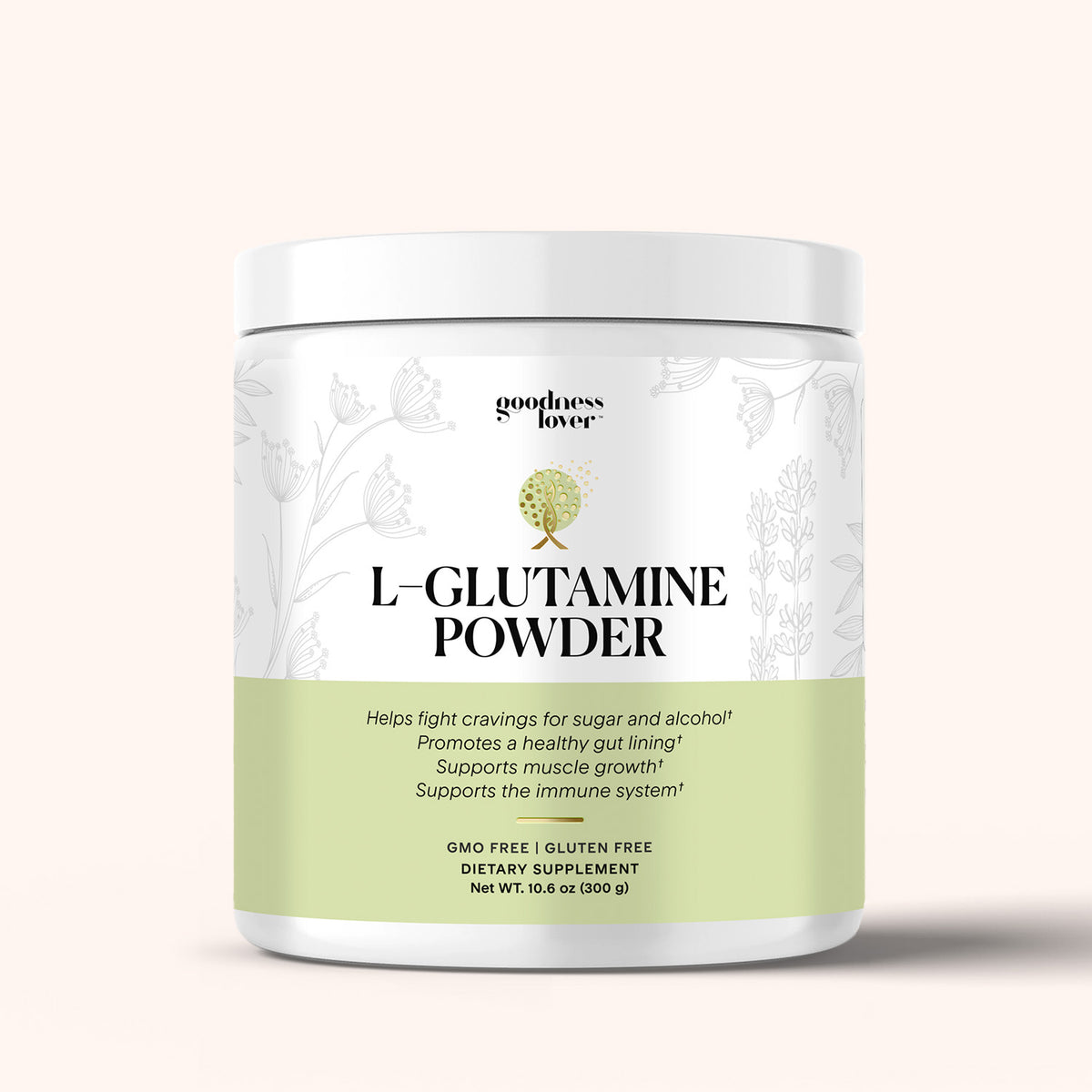
Add targeted nutrients for gut repair. Food is the foundation, but certain nutrients can accelerate the rebuilding process. L-Glutamine is one of the most important — it's the primary fuel source for the cells lining your intestine and supports gut barrier integrity. Zinc, particularly in the form of zinc carnosine, has been shown in clinical trials to help repair the mucosal lining. Magnesium supports motility, stress management, and digestive enzyme production, making it one of the most underrated nutrients for IBS. And if you suspect you're not breaking down food properly (undigested food in stools, bloating immediately after eating, feeling heavy after meals), digestive bitters or enzymes may help bridge the gap while your gut heals.
Consider herbal support. Aloe vera, slippery elm, marshmallow root, and deglycyrrhizinated licorice all help soothe and protect an irritated gut lining. Curcumin can help calm the low-grade inflammation that's present in many people with IBS. And ginger is a quiet workhorse — it supports healthy motility and eases digestive discomfort, whether you use it fresh in cooking or as a tea.
Be thoughtful with probiotics. This is where a lot of people with IBS go wrong. Not all probiotics are helpful for IBS, and some can actually make symptoms worse. Look for specific, clinically studied strains rather than generic blends.
Certain Bifidobacterium and Lactobacillus strains have the strongest evidence for IBS symptom improvement. For example, Lactobacillus plantarum 299v has been shown in clinical trials to significantly reduce abdominal pain, bloating, and feelings of incomplete evacuation compared to placebo. In one study, 95% of participants taking 299v rated their overall IBS symptoms as improved compared to just 15% in the control group. In another, 78% rated their symptoms as excellent or good versus only 8% of controls.
Give any probiotic at least four weeks before deciding whether it's working. And if a probiotic consistently makes you feel worse, don't push through it. That reaction often signals an underlying imbalance like SIBO that needs to be addressed before probiotics will do any good.

Phase 3: Days 21–30 — Calm the System
Address the stress-gut connection
If you've been doing everything right with food and supplements but your symptoms still flare every time life gets stressful, this is why. Your gut and your brain are in constant two-way communication through what's known as the gut-brain axis. And when your stress response is chronically activated, it directly impairs digestion.
This isn't a "it's all in your head" conversation. It's physiology. When your body is stuck in fight-or-flight mode, it diverts resources away from digestion. Stomach acid production drops. Digestive enzyme output decreases. Gut motility either speeds up or grinds to a halt. And your microbiome shifts toward a less favorable balance. Chronically elevated stress hormones don't just make IBS feel worse — they actively drive the mechanisms behind it.
If you've been doing everything right with food and supplements but your symptoms still flare every time life gets stressful, this is why.
Your gut and your brain are in constant two-way communication through the gut-brain axis. When your stress response is chronically switched on, it directly impairs digestion. This isn't a "it's all in your head" conversation. It's physiology. When your body is stuck in fight-or-flight, it diverts resources away from digestion. Stomach acid drops. Enzyme output decreases. Motility either speeds up or grinds to a halt. Your microbiome shifts. Chronically elevated stress hormones don't just make IBS feel worse. They actively drive the mechanisms behind it.
So the final phase of this plan is about calming the system that's been quietly undermining your gut from the background.
Move your body gently and consistently. You don't need intense exercise. In fact, high-intensity training can sometimes aggravate IBS. What helps is regular, moderate movement — walking, swimming, cycling, yoga. Yoga especially has been shown to benefit gut motility and reduce IBS symptoms. Even 20 to 30 minutes a day makes a measurable difference. Movement also helps regulate the stress hormones that are disrupting your digestion in the first place.

Prioritise sleep. Your gut does a significant amount of its repair work while you sleep. Poor sleep increases inflammation, disrupts the microbiome, and lowers your pain threshold. That means the same level of bloating that feels manageable after a good night can feel unbearable after a bad one. Aim for seven to eight hours and try to keep a consistent schedule, even on weekends.
Activate your vagus nerve before meals. The vagus nerve is the main communication highway between your brain and your gut. Stimulating it shifts your nervous system from fight-or-flight into rest-and-digest mode. You don't need anything fancy. Five slow, deep breaths before eating — inhale for four counts, exhale for six — is enough to measurably improve digestive function. Some people also find that splashing cold water on their face, humming, or gargling activates the vagus nerve and helps settle their gut before meals.
Find what genuinely helps you decompress. This part is personal. For some people it's time in nature. For others it's journaling, a gratitude practice, meditation, or simply sitting quietly with a cup of tea. The specific practice matters less than the consistency. Your gut doesn't need you to become a zen master. It just needs regular signals that you're safe, so it can get back to doing its job.
Consider adaptogenic support. If your stress load is high and lifestyle changes alone aren't enough, supplements like ashwagandha and rhodiola can help support your body's ability to manage stress hormones. They're not a replacement for the practices above, but they can take the edge off while you build those habits.
What to Do After 30 Days
Take stock and decide your next step.
Pull out your food diary from week one and compare it to where you are now. What's improved? What hasn't shifted? Be honest with yourself about what you've actually implemented consistently versus what you tried once and forgot about. The changes that stuck matter more than the ones you tried once.
If you're feeling noticeably better — less bloating, more predictable bowel movements, fewer flares, more energy — keep building on what's working. Gradually expand the variety of foods in your diet, especially prebiotic-rich plants that feed your beneficial bacteria. The goal from here is diversity, not restriction.
If your symptoms haven't shifted much despite following the plan consistently, that's not a failure. It's information. Minimal improvement after 30 days of targeted dietary, supplemental, and lifestyle changes often points to a deeper driver that needs investigating.
SIBO has been found in 71% of IBS patients and won't resolve with diet changes alone. Parasitic infections like Blastocystis hominis and Giardia lamblia can quietly drive symptoms for years without being detected. And specific food sensitivities beyond the obvious culprits may need proper testing to identify.
This is where the "test, don't guess" approach becomes essential. Working with a practitioner who understands functional gut health — and using diagnostic tools like breath testing for SIBO, comprehensive stool analysis, or IgG food intolerance testing — can turn the lights on in a way that guesswork never will.
The most important thing to remember is that IBS is not one condition with one cause. It's a collection of symptoms with multiple potential drivers, and the combination is different for every person. Your path forward won't look like anyone else's. The 30 days you've just completed have given you a clearer picture of your gut, a stronger foundation to build on, and a much better sense of what your body actually needs next.
The Bottom Line
IBS doesn't have to be something you just "live with." You're not imagining your symptoms, you're not overreacting, and you're not stuck with this forever. The causes are identifiable, the drivers are addressable, and your gut has a remarkable ability to heal when it's given the right support.
You don't need to overhaul your entire life overnight. Small, consistent changes over 30 days — tracking your patterns, reducing the noise, feeding and repairing your gut, calming your nervous system — can create real, measurable improvement. Not because any single step is a miracle, but because they work together.
Your gut is trying to tell you something. These 30 days are about learning to listen.




What Do You Think? Comment Below: